
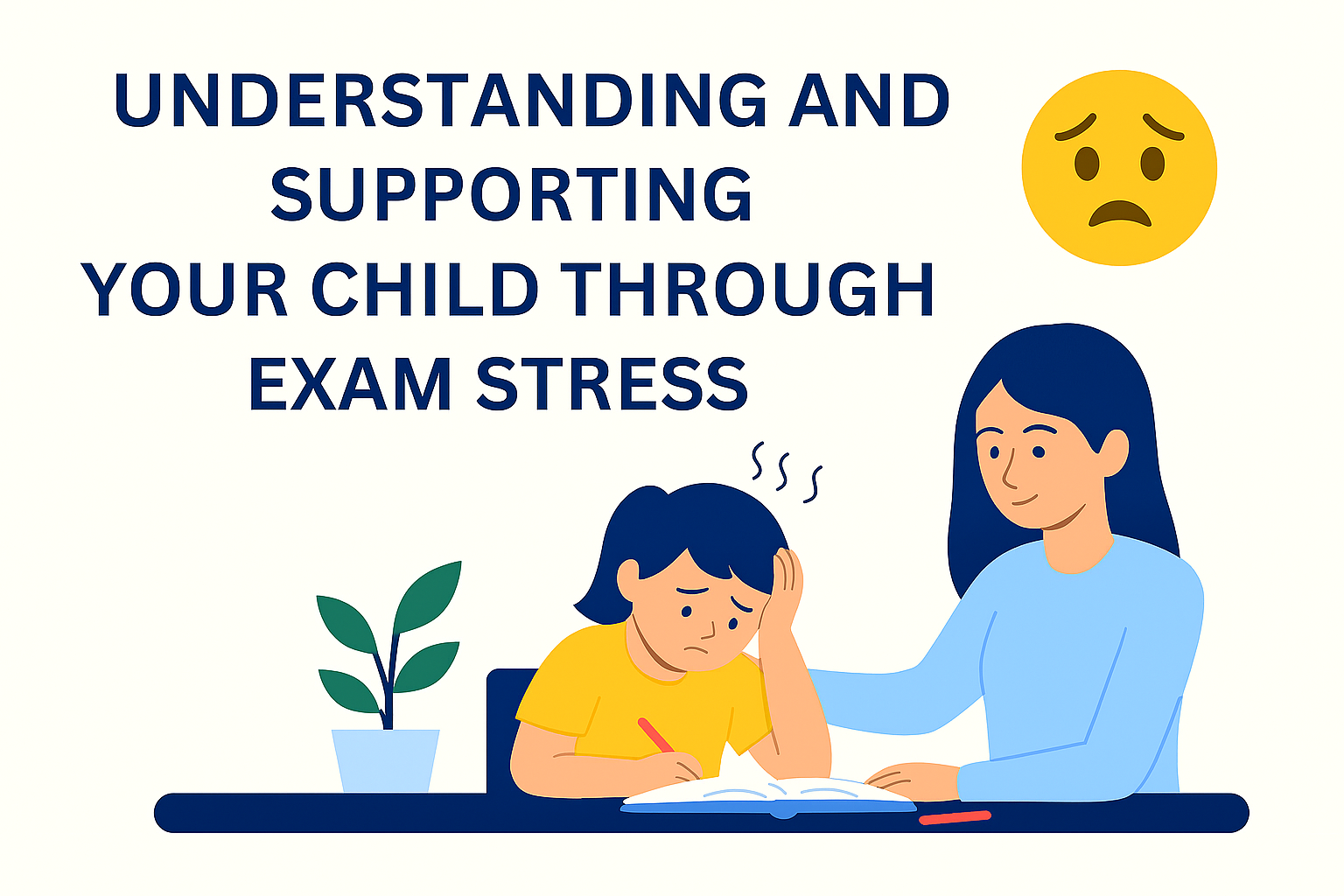
As parents, we’ve all watched our children face the mounting pressure of exams. What starts as a quiet worry can quickly spiral into sleepless nights, tearful outbursts, or complete shutdowns. Exam stress isn’t just “nerves”—it’s a real emotional and physical response that can impact your child’s health, confidence, and performance. The good news? With empathy, practical strategies, and open communication, you can help them navigate this challenging time.
Why Exam Stress Hits Children Hard
Children and teenagers experience stress differently than adults. Their brains are still developing, especially the prefrontal cortex responsible for emotional regulation and decision-making. High-stakes exams trigger a flood of cortisol—the stress hormone—which can lead to:
- Physical symptoms: Headaches, stomach aches, fatigue, or trouble sleeping
- Emotional signs: Irritability, mood swings, tearfulness, or withdrawal
- Behavioral changes: Procrastination, avoidance of study, or perfectionist tendencies
When left unaddressed, chronic stress can lower self-esteem and create a fear of failure that lingers beyond exam season.
How to Support Your Child: A Parent’s Toolkit
1. Listen Without Judgment
Create a safe space for your child to express fears. Avoid phrases like “It’s just an exam” or “You’ll be fine.” Instead, try:
“I can see this is really tough for you. Want to talk about what’s worrying you most?”
Validating their feelings helps reduce shame and builds trust.
2. Help Them Build a Realistic Study Plan
Overwhelm often comes from poor time management. Sit down together and:
- Break the syllabus into daily goals
- Schedule short, focused study sessions (25–50 minutes) with breaks
- Include non-academic activities to prevent burnout
A visual planner or app like Notion or Todoist can make this fun and collaborative.
3. Teach Simple Stress-Busters
Introduce quick tools they can use anywhere:
5-4-3-2-1 Grounding Name 5 things they see, 4 they can touch, 3 they hear, 2 they smell, 1 they taste.
Hand-on-Heart Breathing Place a hand on their chest, breathe in for 4, out for 6.
Progressive Muscle Relaxation Tense and release muscle groups from toes to head.
Practice these together during calm moments so they’re second nature under pressure.
4. Reframe Success and Failure
Help your child detach their worth from grades. Share stories of successful people who failed exams (yes, even Einstein struggled!). Emphasize:
“Exams test what you know today—not who you are or what you’re capable of tomorrow.”
Celebrate effort, progress, and resilience—not just results.
5. Protect Sleep, Nutrition, and Movement
A stressed brain needs fuel:
- Sleep: Aim for 8–10 hours. No screens 1 hour before bed.
- Food: Offer brain-boosting snacks like nuts, berries, yogurt, or dark chocolate.
- Exercise: A 20-minute walk or dance session releases endorphins and clears mental fog.
Make family meals and bedtime routines non-negotiable.
6. Know When to Seek Professional Help
If stress turns into panic attacks, self-harm thoughts, or refusal to attend school, consult a school counselor, pediatrician, or child psychologist. Early intervention prevents long-term anxiety disorders.
🚨 Red Flags: When to Act Fast
Watch for:
- Persistent physical complaints (e.g., daily headaches)
- Sudden drop in appetite or overeating
- Expressing hopelessness (“Nothing matters”)
- Avoiding all study or social activities
These may signal anxiety or depression requiring professional support.
🌟 Exam Week: Parent’s Playbook
- The night before: Light review only. Encourage a relaxing activity (reading, bath, music).
- Morning of: Nutritious breakfast, positive send-off (“You’ve got this—I believe in you”).
- After the exam: No interrogation. Ask open-ended: “How do you feel it went?” Then pivot to something fun.
Remember: One set of exams doesn’t define a future. Your child’s character, curiosity, and heart do.