
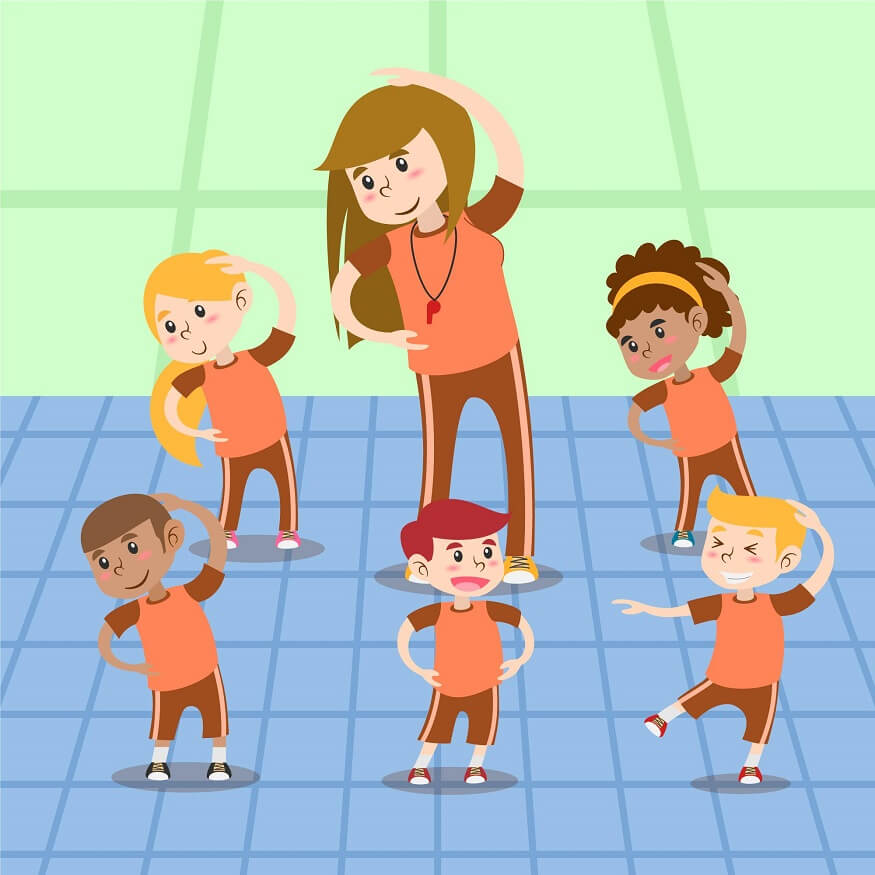
In today’s screen-heavy school life, physical activity for students is no longer optional — it is essential for healthy growth, focus, and emotional balance. Just like proper sleep routines and balanced nutrition, daily movement plays a direct role in how students learn, behave, and perform.
Why Physical Activity Matters in School Life
Regular movement improves both physical health and brain performance. Students who stay active show better concentration, improved memory, and stronger classroom engagement.
Key benefits include:
- Improved blood circulation to the brain
- Better attention span and learning ability
- Reduced restlessness and classroom fatigue
👉 This makes exercise for school children as important as academics.
Physical Activity Supports Healthy Growth
During growing years, bones, muscles, and posture develop rapidly. A lack of movement can lead to poor posture, low stamina, and early lifestyle issues.
Daily activity helps with:
- Stronger bones and muscles
- Healthy weight management
- Better posture and flexibility
This directly supports student health and fitness, especially when paired with healthy eating habits for students.
Sports Build Discipline and Confidence
Team sports and physical play teach life skills that textbooks cannot.
Students learn:
- Teamwork and cooperation
- Discipline and time management
- Self-confidence and leadership
These habits support long-term success and complement student sleep routines by naturally improving sleep quality through physical tiredness.
Physical Activity Improves Mental Health
One of the most overlooked benefits of movement is emotional well-being.
Regular physical activity:
- Reduces anxiety and academic stress
- Improves mood and emotional control
- Lowers screen addiction and mental fatigue
This makes mental health for students stronger and more stable.
How Much Physical Activity Do Students Need?
Experts recommend:
- At least 60 minutes of physical activity daily
- Mix of sports, free play, walking, yoga, or cycling
- Less passive screen time, more active play
When combined with proper sleep habits for kids and balanced student nutrition, this creates a strong daily routine.
Conclusion: Movement Completes the Healthy Student Routine
A student’s success depends on three pillars:
- Healthy sleep routines for school kids
- Balanced nutrition for growing students
- Daily physical activity for students
Ignoring even one weakens the whole system.
Schools and parents must treat exercise, sleep, and nutrition as equally important foundations of education — not extras.