
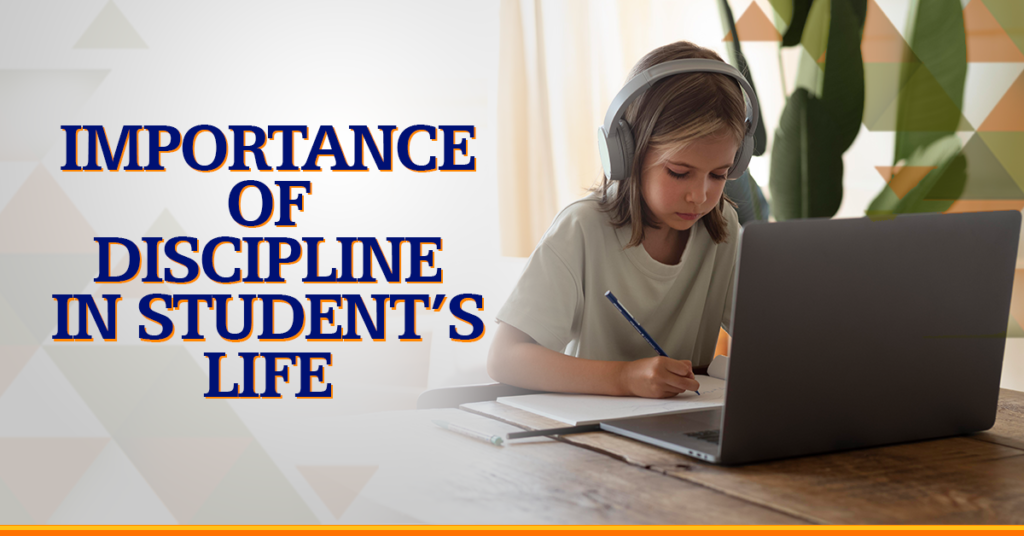
Discipline plays a crucial role in shaping a student’s academic performance, character, and future success. It provides structure, consistency, and direction, helping students develop habits that support learning and personal growth. According to the American Psychological Association, self-discipline is a stronger predictor of academic success than intelligence.
In student life, discipline is not about strict rules or punishment. It is about self-control, responsibility, and the ability to stay focused on long-term goals.
What Is Discipline in Student Life?
Discipline in student life refers to the ability to manage time, control impulses, follow routines, and act responsibly. Disciplined students understand the importance of consistency and are better prepared to handle academic pressure.
Educational research from Encyclopaedia Britannica describes discipline as a key factor in personal development and learning.
Discipline Improves Academic Performance
Students who follow disciplined routines complete assignments on time, revise regularly, and stay organised. This consistency leads to better understanding and improved exam results.
Studies published by National Institutes of Health confirm that disciplined study habits improve concentration and memory retention.
Discipline Builds Strong Study Habits
Discipline helps students develop habits such as regular study hours, timely revision, and focused practice. These habits reduce stress and prevent last-minute cramming.
Learning experts at Edutopia highlight that disciplined routines support long-term learning.
Discipline Encourages Responsibility
Disciplined students take ownership of their actions. They understand the consequences of their choices and learn to manage responsibilities at school and home.
According to UNICEF, responsibility developed during student life leads to stronger decision-making skills in adulthood.
Discipline Supports Emotional Control
Discipline teaches students how to manage emotions such as frustration, stress, and anxiety. This emotional regulation helps students stay calm during exams and challenging situations.
Mental health experts at Verywell Mind explain how self-control improves emotional well-being.
Discipline Prepares Students for Future Life
The discipline learned during student life prepares individuals for higher education, careers, and personal responsibilities. Employers value punctuality, reliability, and consistency—qualities rooted in discipline.
Insights from the World Economic Forum show that self-management skills are essential for future success.
How Students Can Develop Discipline
- Follow a fixed daily routine
- Set clear and achievable goals
- Limit distractions during study time
- Practice self-reflection regularly
- Maintain healthy sleep and eating habits
Habit-building strategies shared by James Clear emphasize small, consistent actions.
Conclusion
Discipline is the foundation of a successful student life. It shapes habits, strengthens character, and prepares students for academic and personal challenges. By practicing discipline daily, students build the skills needed for lifelong learning and long-term success.Learn more about Habits, Values, and Skills for Lifelong Learning.