
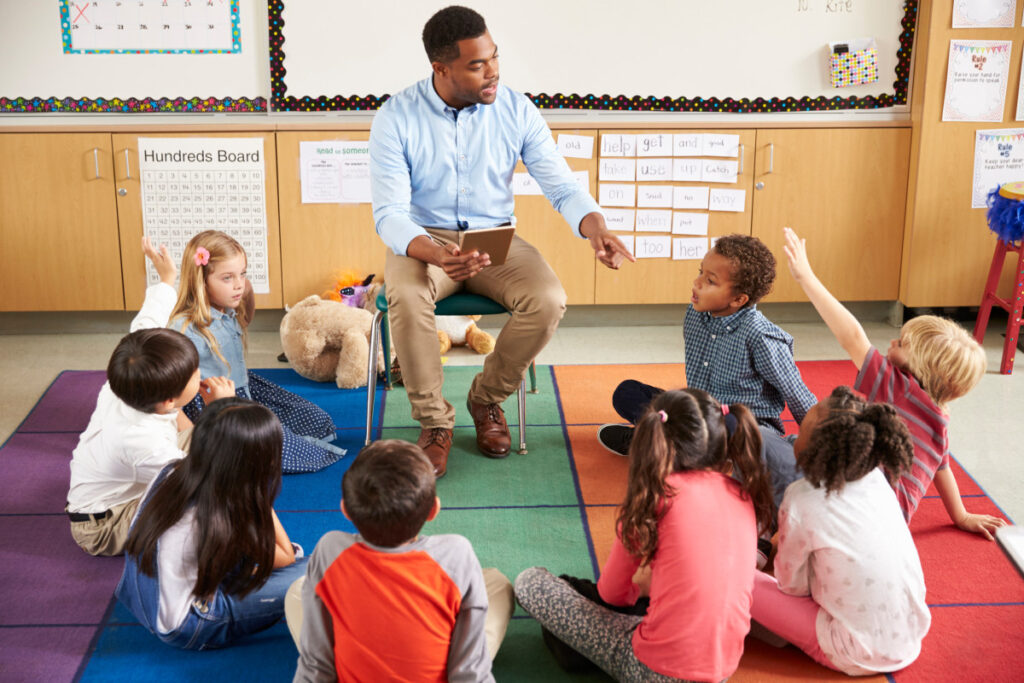
Good behavior in school is a key foundation for academic success and personal development. Students who behave responsibly create a positive learning environment for themselves and others. According to Edutopia, positive student behavior directly improves classroom learning and emotional well-being.
Good students understand that behavior is not just about following rules but about respect, responsibility, and cooperation.
They Show Respect to Teachers and Classmates
Good students listen attentively when teachers are speaking and respect different opinions shared by classmates. Respectful behavior builds trust and encourages healthy classroom discussions.
Educational research from UNESCO emphasizes that respectful learning environments enhance student engagement.
They Follow School Rules and Guidelines
Rules help maintain order and fairness in schools. Good students understand the importance of following school policies, including punctuality, dress codes, and classroom norms.
According to Encyclopaedia Britannica, school discipline supports structure and safety in education.
They Participate Actively in Class
Good students engage in classroom activities by asking questions, participating in discussions, and completing assignments sincerely. Active participation improves understanding and confidence.
Studies shared by American Psychological Association highlight the benefits of classroom involvement.
They Take Responsibility for Their Actions
Good students accept responsibility for mistakes instead of blaming others. This accountability helps them learn from experiences and grow emotionally.
Child development experts at Verywell Family explain how responsibility builds character.
They Manage Time and Tasks Effectively
Good behavior includes completing homework on time, preparing for classes, and managing schoolwork efficiently. Time management reduces stress and improves performance.
Learning strategies from University of North Carolina Learning Center emphasize planning skills.
They Maintain Positive Discipline
Good students control impulses, avoid disruptive behavior, and remain focused during lessons. Self-discipline helps them stay consistent even when motivation is low.
Psychological insights from American Psychological Association explain the importance of self-control in learning.
They Show Kindness and Cooperation
Good students treat peers with kindness and work cooperatively in group activities. Positive social behavior strengthens teamwork and emotional intelligence.
Social learning research from CASEL highlights the role of cooperation in student development.
They Handle Conflicts Maturely
Conflicts are part of school life. Good students resolve disagreements calmly and seek help when needed instead of reacting aggressively.
Conflict resolution strategies recommended by KidsHealth support healthy communication.
They Maintain Cleanliness and Care for School Property
Respecting school property and maintaining cleanliness reflects responsibility and discipline. Good students contribute to a safe and pleasant learning environment.
School environment guidelines from Centers for Disease Control and Prevention emphasize cleanliness for student health.
Conclusion
Good students behave in ways that support learning, respect others, and build strong character. By practicing discipline, responsibility, and kindness, students create a positive school experience and lay the foundation for lifelong success.Learn more about Habits, Values, and Skills for Lifelong Learning.