
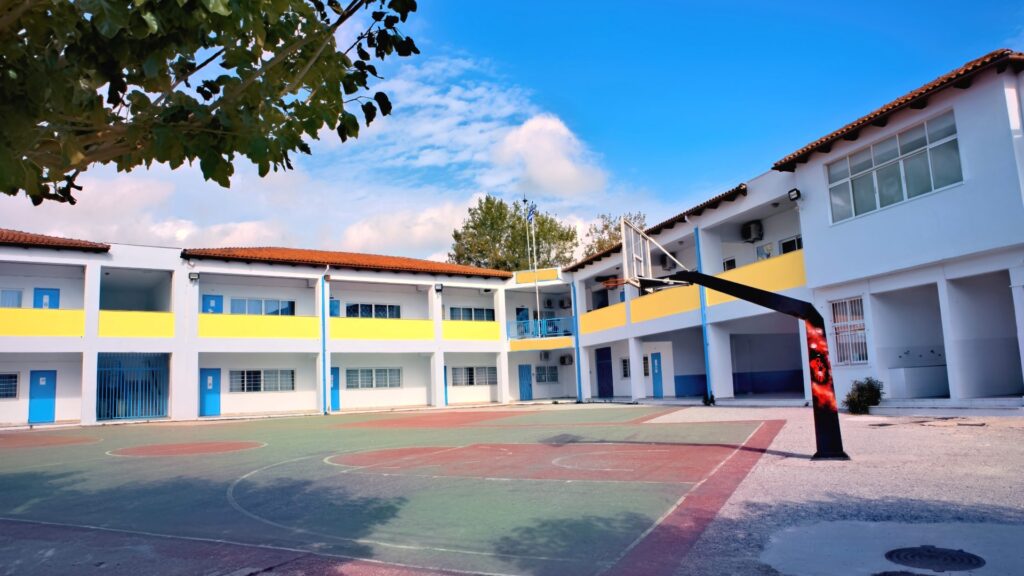
A good school plays a vital role in shaping a child’s academic performance, behavior, and overall personality. It creates an environment where students feel safe, respected, and motivated to learn. According to UNESCO, quality education is built on strong teaching practices, inclusive environments, and supportive learning systems.
Strong Academic Focus
One of the most important characteristics of a good school is academic excellence. Effective schools follow a well-structured curriculum, encourage critical thinking, and focus on conceptual understanding rather than rote memorization.
Educational research from OECD highlights that consistent academic standards improve long-term student outcomes.
Positive School Culture and Values
A good school promotes values such as honesty, respect, discipline, and empathy. A positive school culture creates a sense of belonging and encourages ethical behavior among students.
Insights from Edutopia show that strong school culture improves student engagement and behavior.
Qualified and Supportive Teachers
Teachers are the backbone of any good school. Skilled and caring teachers understand student needs, adapt teaching strategies, and provide constructive feedback that supports learning.
Studies shared by the Brookings Institution emphasize the importance of teacher quality in educational success.
Safe and Inclusive Environment
Safety is a fundamental requirement of a good school. Students should feel physically and emotionally secure. Inclusive schools respect diversity and provide equal opportunities for all learners.
Guidelines from UNICEF stress the importance of safe and inclusive learning environments.
Well-Maintained Infrastructure
Good schools provide clean classrooms, libraries, laboratories, playgrounds, and basic facilities. Proper infrastructure supports effective teaching and enhances student concentration.
Research by the World Bank confirms that quality infrastructure positively affects learning outcomes.
Student Support and Guidance
A good school offers academic guidance, emotional support, and counseling services. Students receive help to overcome learning difficulties and manage stress.
Educational support models discussed by National Education Association highlight the importance of student well-being.
Active Parent and Community Involvement
Strong collaboration between schools, parents, and the community improves student performance and discipline. Regular communication builds trust and accountability.
Evidence from the Center for Parent Information and Resources supports parent involvement in school success.
Focus on Holistic Development
Beyond academics, good schools encourage extracurricular activities, creativity, sports, and leadership opportunities. These experiences help students develop confidence and social skills.
Holistic education frameworks promoted by the World Economic Forum support balanced student development.
Conclusion
The characteristics of a good school go beyond exam results. Academic quality, strong values, skilled teachers, safe environments, supportive infrastructure, and active parent involvement together create meaningful learning experiences. Choosing and supporting good schools helps build a brighter future for students and society.