
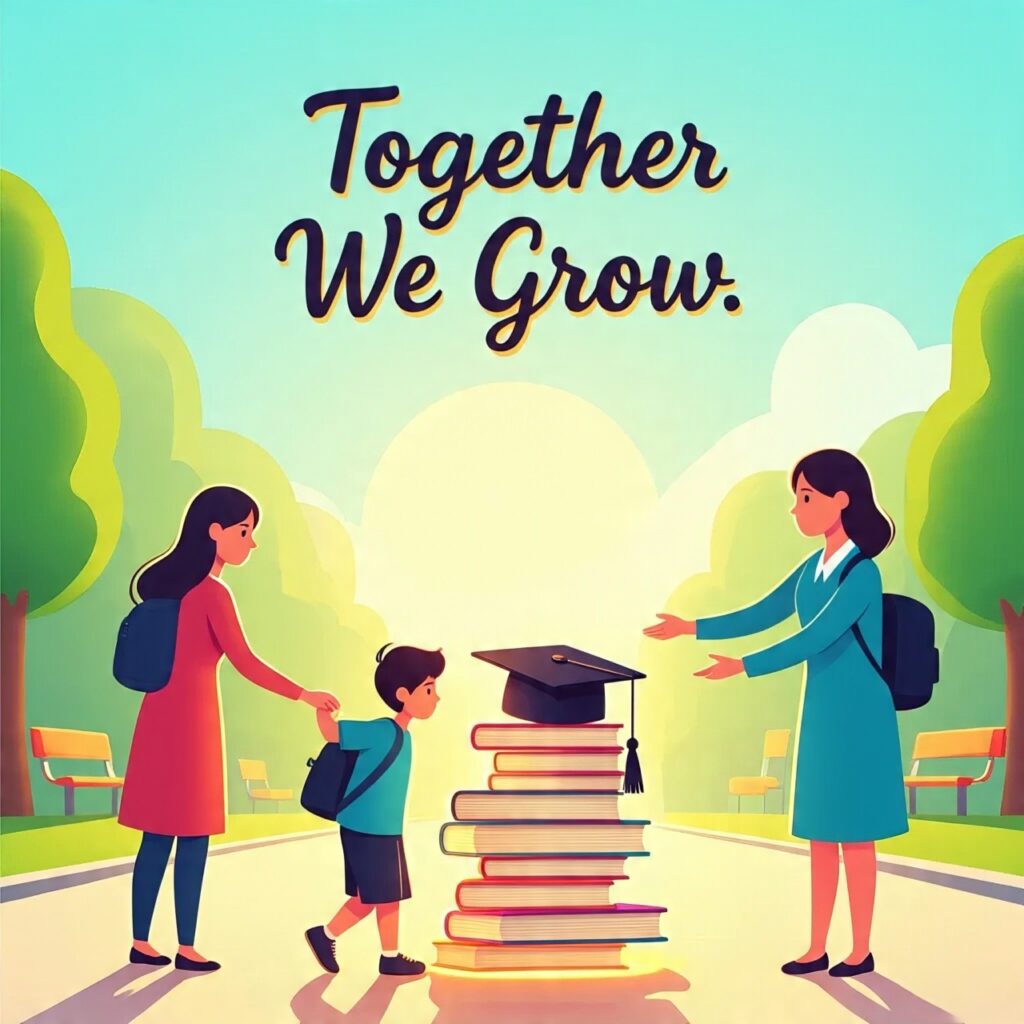
A child’s growth depends on teamwork between home and school. When parents and teachers work together, children receive consistent guidance, emotional support, and academic encouragement. Strong parent-teacher collaboration creates a positive learning environment where children feel confident, motivated, and understood.
👉 Good parents and dedicated teachers share a common goal: the child’s success.
Why Parent-Teacher Collaboration Is Important
Children perform better when parents and teachers communicate regularly.
Benefits include:
- Improved academic performance
- Better behavior and discipline
- Strong emotional support
- Increased student confidence
A united approach helps children feel secure and valued.
Clear and Regular Communication
Open communication builds trust.
Effective communication includes:
- Parent-teacher meetings
- Phone calls or messages
- School apps or emails
Sharing concerns and progress helps address issues early.
Understanding Each Other’s Roles
Parents and teachers have different but complementary roles.
Parents:
- Support learning at home
- Provide emotional care
- Reinforce values
Teachers:
- Guide academic learning
- Manage classroom behavior
- Observe social development
Respecting these roles strengthens collaboration.
Supporting Learning at Home
Parents play a key role in reinforcing education at home.
They can:
- Monitor homework
- Encourage reading
- Create a study-friendly environment
Home support improves learning outcomes.
Sharing Information About the Child
Every child is unique.
Parents should share:
- Learning strengths
- Behavioral concerns
- Health or emotional issues
This helps teachers provide personalized support.
Encouraging Consistent Discipline
Consistency between home and school improves behavior.
Parents and teachers should:
- Align rules and expectations
- Use positive discipline methods
- Address issues together
Consistency reduces confusion and improves discipline.
Participating in School Activities
Active parental involvement builds connection.
Parents can:
- Attend school events
- Participate in meetings
- Support school initiatives
Involvement shows children that education matters.
Working Together During Challenges
Children may face academic or behavioral challenges.
Parents and teachers should:
- Discuss problems openly
- Develop solutions together
- Track progress regularly
Teamwork helps children overcome difficulties confidently.
Using Technology for Better Coordination
Digital tools improve collaboration.
Schools can use:
- Online portals
- Messaging apps
- Virtual meetings
Technology ensures timely updates and communication.
Building Mutual Respect and Trust
Successful collaboration depends on respect.
Both parents and teachers should:
- Listen without blame
- Appreciate efforts
- Focus on the child’s best interest
Trust creates a positive partnership.
Conclusion
When parents and teachers work together, children benefit academically, emotionally, and socially. Open communication, shared responsibility, and mutual respect create a strong support system for children’s success.
A child thrives best when home and school walk the same path.