
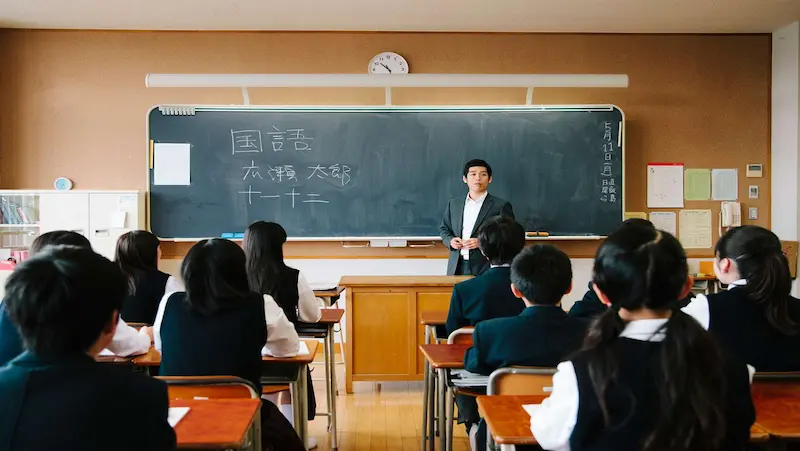
While many education systems focus heavily on academics, Japan stands out for something equally powerful — moral education. Japanese schools believe that shaping a child’s character, discipline, and social responsibility is just as important as teaching math or science.
This values-driven approach has helped Japan build one of the most disciplined, respectful, and collaborative student cultures in the world. For Indian schools aiming to nurture well-rounded individuals, Japan’s moral education system offers timeless lessons.
What Is Moral Education in Japan?
In Japan, moral education is not treated as a separate subject or an occasional lecture. Instead, it is woven into daily school life.
Students learn:
- Responsibility through action
- Discipline through routine
- Respect through behavior, not fear
This approach aligns naturally with student-centric education philosophies, similar to those explored in How Finland’s Student-Centric Teaching Model Improves Learning Outcomes.
Learning Responsibility Through Daily Activities
One of the most well-known aspects of Japanese schools is that students clean their own classrooms, corridors, and cafeterias. There are no janitors assigned for daily cleaning.
This practice teaches:
- Ownership of shared spaces
- Equality and humility
- Teamwork and cooperation
Indian School Adaptation:
Indian schools can introduce:
- Classroom responsibility rotations
- Student-led cleanliness drives
- Peer accountability systems
Such practices strengthen life skills alongside academics.
Discipline Without Fear or Punishment
Japanese discipline is built on routine and mutual respect, not punishment. Students follow structured schedules, understand expectations clearly, and learn self-control naturally.
This system supports:
- Emotional regulation
- Respect for rules
- Collective responsibility
When combined with mastery-based learning approaches like those used in Singapore, discussed in Singapore’s Mastery-Based Learning: Teaching for Understanding, Not Just Exams, discipline enhances academic focus rather than suppressing curiosity.
Teamwork as a Core Life Skill
From a young age, Japanese students work in groups — whether for learning activities, cleaning duties, or school events. This builds:
- Collaboration skills
- Leadership qualities
- Empathy and communication
This approach complements project-based and collaborative learning models, such as those explained in Project-Based Learning in the US: Encouraging Creativity and Critical Thinking.
Moral Education and Emotional Intelligence
Japanese schools actively teach:
- Empathy
- Respect for others
- Emotional awareness
Teachers guide discussions around behavior, choices, and social harmony, helping students understand the impact of their actions.
This focus on emotional intelligence aligns closely with personalized learning approaches used in European schools, where understanding individual student needs plays a key role in holistic development.
Role of Teachers in Shaping Values
Teachers in Japan are mentors and role models, not just instructors. They guide students through daily routines, social interactions, and moral decisions.
This highlights the importance of continuous teacher training and professional development, further explored in Teacher Training Models from Top Education Systems Around the World.
Indian schools can support this by:
- Training teachers in value-based education
- Encouraging mentorship-driven teaching
- Leading by example inside classrooms
Blending Moral Education with Modern Learning
Japan’s moral education system does not conflict with modern teaching. Instead, it strengthens it. When students are disciplined, respectful, and collaborative, they engage better in:
- Activity-based learning
- Mastery-based academic models
- Technology-integrated classrooms inspired by South Korea
This balanced approach ensures students grow academically and socially.
How Indian Schools Can Adapt Japan’s Moral Education Model
Indian schools can begin by:
- Integrating values into daily routines
- Encouraging responsibility and teamwork
- Focusing on character-building alongside academics
When combined with global teaching methods transforming education, moral education helps create confident, respectful, and socially responsible learners.
Final Thoughts
Japan’s moral education system reminds us that true education shapes character, not just careers. Discipline, responsibility, and teamwork are life skills that prepare students not only for exams — but for society.
Indian schools that adopt these principles, alongside student-centric learning, mastery-based education, personalized teaching, global teacher training, and technology-integrated classrooms, take a powerful step toward holistic education.