
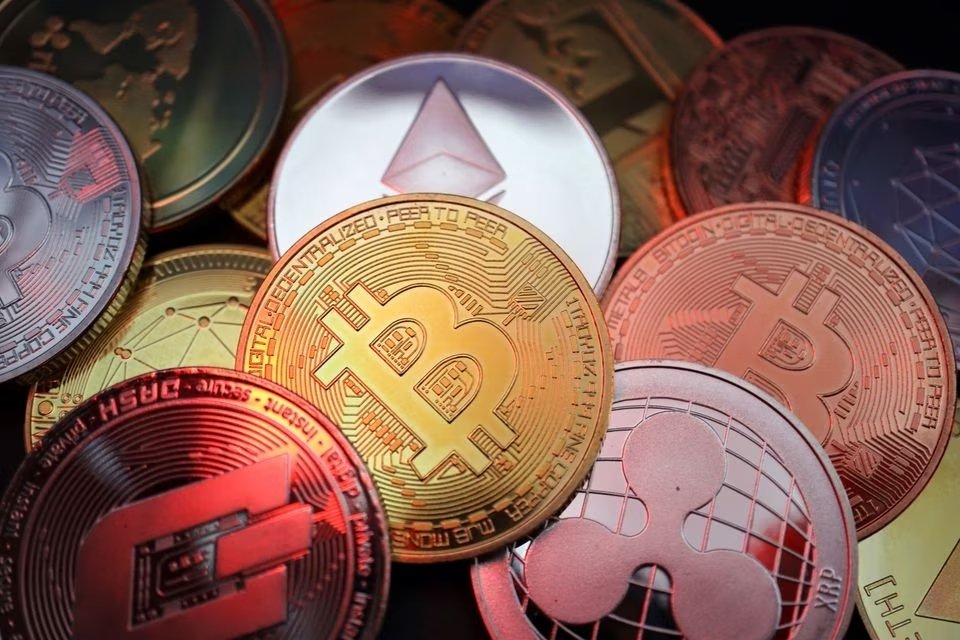
In today’s world, money is not only carried in wallets. Many payments are made using banks, ATMs, cards, and mobile phones. Understanding banking and digital money helps students use money safely and confidently. Learning these basics early prepares students for modern life.
What Do Banks Do?
Banks are places where people keep their money safe. They help people:
- save money
- withdraw money when needed
- send and receive money
- keep records of transactions
Banks also help people plan for the future by encouraging saving habits.
ATM and Bank Cards
An ATM (Automated Teller Machine) allows people to withdraw money anytime using a card.
Debit cards help pay directly from a bank account without using cash.
These tools make money handling:
- quick
- convenient
- safe when used correctly
Students should learn that cards must be handled carefully and never shared.
UPI and Online Payments
UPI and online payment apps allow people to send money instantly using a mobile phone. They are commonly used for:
- shopping
- paying bills
- travel and food payments
Digital payments are fast and easy, but they require awareness and responsibility.
Safety in Digital Transactions
Using digital money safely is very important. Students should remember:
- never share passwords, PINs, or OTPs
- use secure and trusted apps
- avoid using public Wi-Fi for payments
- log out after using payment apps
Being careful protects money and personal information.
Scams and Fraud Awareness
Scammers try to trick people into sharing personal details or money. Common scams include:
- fake prize messages
- unknown calls asking for OTPs
- links promising quick rewards
Students should learn to:
- never trust unknown messages
- check before clicking links
- inform parents or teachers if something feels suspicious
Why Banking Knowledge Is Important for Students
Understanding banking and digital money helps students:
- become confident with modern tools
- avoid financial mistakes
- stay safe online
- develop responsible money habits
Conclusion
Banking and digital money are part of everyday life. By learning how banks work, how digital payments function, and how to stay safe from scams, students become smart and responsible users of money. These skills help them navigate the digital world with confidence and caution.