
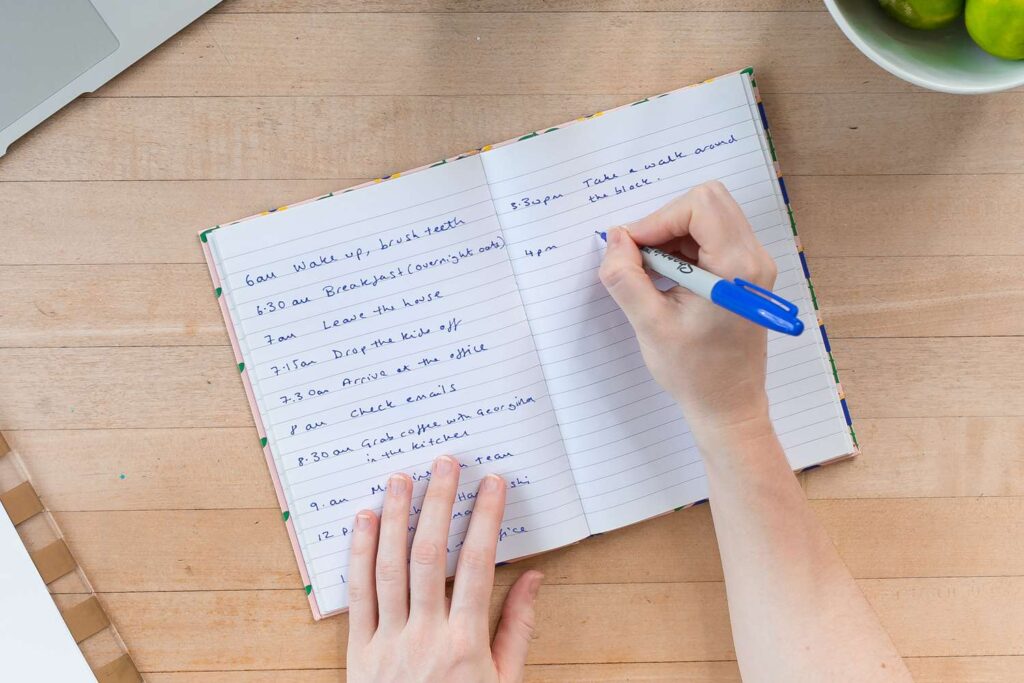
A good routine does not mean forcing students to follow a rigid timetable every minute of the day. Instead, it focuses on building small, practical habits that students can realistically follow every day without feeling stressed or overwhelmed. When routines are simple and flexible, they become easier to maintain and more effective in the long run.Most students fail to follow routines not because they are lazy or irresponsible, but because the routines they try to follow are unrealistic, too strict, or demanding. When expectations are too high, students feel pressured and eventually give up. The solution is not harder rules—but smarter habits.
Let’s fix that by creating routines that truly work.
Why Daily Routines Matter for Students
A strong daily routine provides structure and balance in a student’s life, helping them manage time and energy more effectively. When students follow a healthy routine, they experience better mental clarity and emotional stability.
A well-planned daily routine helps students:
- Improve focus and concentration during study time
- Reduce stress and anxiety related to exams and deadlines
- Build discipline naturally through consistent habits
- Maintain a healthy balance between study, rest, and play
- Develop life-long habits that support success beyond school
👉 The goal of a routine is consistency, not perfection. Even small efforts, when repeated daily, create big results over time.
Start with a Simple Morning Routine
The way a student begins the morning often decides how the rest of the day will go. A calm and organized morning helps students feel confident, energetic, and mentally prepared for learning.
A student-friendly morning routine should include:
- Waking up at a fixed time to maintain a healthy body clock
- Drinking water to refresh and energize the body
- Doing basic stretching or light movement to activate the mind
- Getting ready calmly without rushing, which reduces stress
A simple and peaceful morning routine sets a positive tone for the entire day.
Create Study Blocks (Not Long Study Hours)
Studying for long, continuous hours is tiring and ineffective for most students. Instead of forcing long study sessions, students should focus on shorter and more productive study blocks.
A better approach is to:
- Study in focused 30–45 minute blocks
- Take short breaks of 5–10 minutes between sessions
- Concentrate on one subject or topic at a time
This method improves understanding, strengthens memory retention, and prevents burnout, making learning more enjoyable and effective.
Don’t Forget Breaks and Play Time
A routine that only includes study will never last. Breaks and playtime are essential for a student’s physical and mental well-being.
Every student needs:
- Outdoor play for physical fitness
- Free time to relax and recharge
- Hobbies such as art, music, sports, or reading
Play is not a waste of time—it helps improve brain development, supports emotional health, and increases a student’s ability to learn better and faster.
Evening Wind-Down Is Important
Many students struggle with tiredness and poor concentration because they do not slow down properly before bedtime. A calm evening routine helps the mind relax and prepares the body for restful sleep.
Healthy evening habits include:
- Finishing homework early to avoid late-night stress
- Limiting screen time before sleep
- Engaging in light reading or quiet activities
- Going to bed at a fixed time every night
Good sleep leads to better focus, stronger memory, and improved learning the next day.
Keep the Routine Flexible
A routine should support a student, not control them. Flexibility is the key to making a routine last long-term.
To make a routine stick:
- Keep it realistic and achievable
- Adjust it during exams, holidays, or busy days
- Focus on progress, not guilt or failure
- Review and improve the routine weekly
The best routine is not perfect—it is the one a student can follow at least 80% of the time.
Final Thought
Students do not need perfect routines or strict schedules. They need simple daily systems that grow with them and adapt to their changing needs.
Small habits practiced every day slowly build:
- Confidence
- Discipline
- Academic success
- A healthy and positive mindset
👉 A routine that sticks today shapes success tomorrow.