
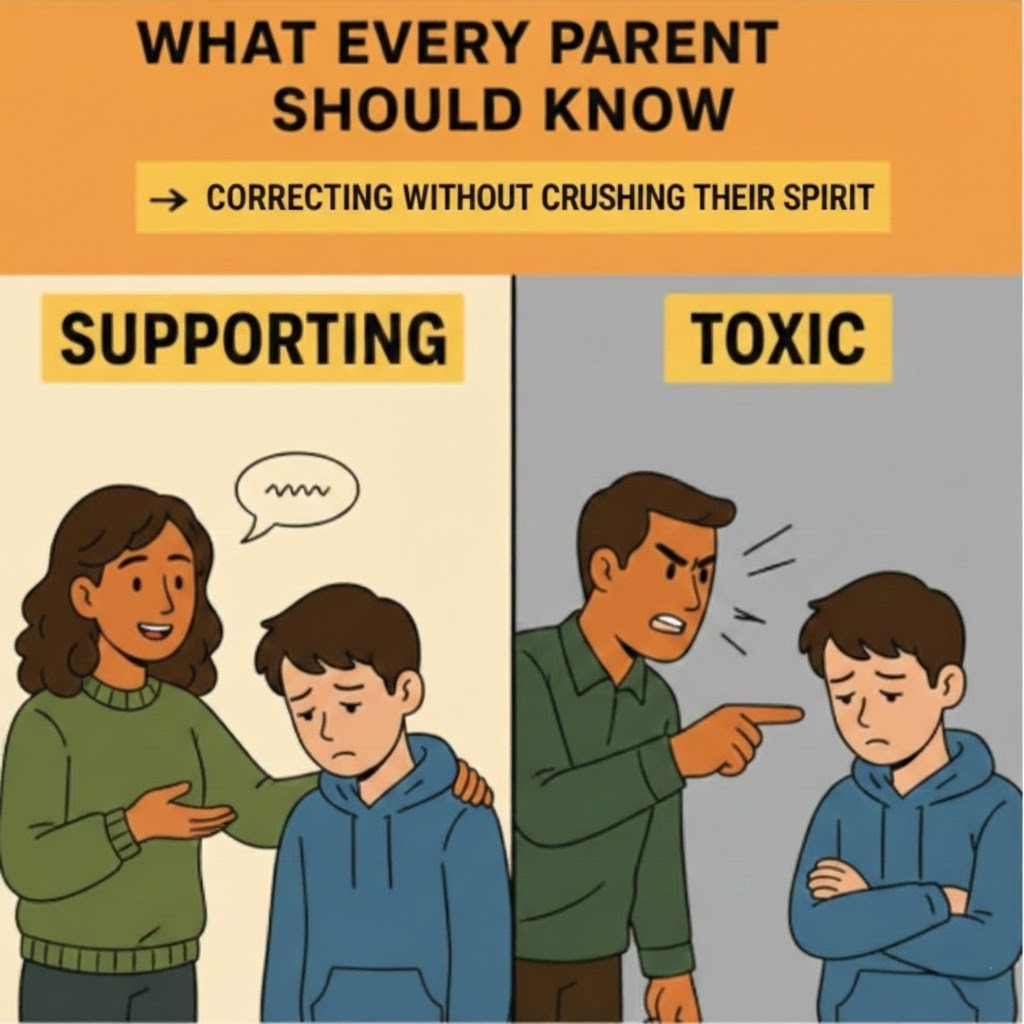
Every parent wants their child to behave well and make the right choices. However, many parents struggle to understand the difference between discipline and punishment. While both aim to correct behavior, their impact on children is very different. Good parents focus on discipline because it teaches responsibility, self-control, and understanding, whereas punishment often creates fear and resentment.
Understanding this difference helps parents guide children in a healthy and effective way.
What Is Discipline?
Discipline is a teaching process. Its purpose is to help children understand right and wrong and learn from their mistakes.
Discipline focuses on:
- Guidance and learning
- Clear rules and expectations
- Self-control and responsibility
- Long-term behavior improvement
When parents discipline with care, children develop respect and emotional strength.
What Is Punishment?
Punishment usually involves fear or discomfort to stop unwanted behavior. It often focuses on the mistake rather than the lesson.
Punishment may include:
- Harsh scolding
- Physical or emotional consequences
- Public embarrassment
- Shaming or threats
While punishment may stop behavior temporarily, it does not teach children why their actions were wrong.
Key Differences Between Discipline and Punishment
| Discipline | Punishment |
|---|---|
| Teaches responsibility | Creates fear |
| Focuses on learning | Focuses on blame |
| Builds trust | Damages trust |
| Encourages self-control | Encourages avoidance |
Good parenting focuses on discipline because it builds understanding and character.
Why Discipline Is Better for Child Development
Children disciplined with understanding grow up more confident and emotionally balanced.
Positive discipline:
- Improves behavior naturally
- Strengthens parent-child relationships
- Builds problem-solving skills
- Encourages accountability
Children learn to make better choices when they understand consequences.
How Good Parents Practice Positive Discipline
Good parents use calm and consistent methods to guide behavior.
Effective discipline strategies include:
- Explaining rules clearly
- Setting age-appropriate boundaries
- Using natural consequences
- Staying calm during mistakes
This approach helps children feel supported rather than scared.
The Role of Communication in Discipline
Communication plays a key role in discipline. Good parents talk to children about mistakes instead of shouting.
They:
- Ask questions
- Listen to explanations
- Discuss better choices
This teaches children to think before acting.
Setting Clear and Consistent Rules
Children feel secure when rules are clear and consistent.
Good parents:
- Keep rules simple
- Apply rules fairly
- Explain reasons behind rules
Consistency helps children understand expectations.
Avoiding Common Discipline Mistakes
Even well-meaning parents make mistakes.
Common mistakes include:
- Reacting in anger
- Being inconsistent
- Comparing children
- Overusing punishment
Avoiding these mistakes improves discipline effectiveness.
Teaching Responsibility Through Consequences
Natural and logical consequences help children learn responsibility.
For example:
- Losing privileges due to misuse
- Fixing a mistake themselves
This teaches accountability without fear.
Discipline as a Tool for Character Building
Discipline is not just about behavior—it shapes character.
Through discipline, children learn:
- Self-control
- Respect for rules
- Responsibility
- Emotional regulation
These skills prepare children for real-life challenges.
Conclusion
Discipline and punishment are not the same. While punishment focuses on stopping behavior, discipline focuses on teaching and guiding. Good parents choose discipline because it builds understanding, trust, and long-term positive behavior.
By practicing positive discipline, parents help children grow into responsible, confident, and emotionally strong individuals.
to know more please click on- Good Parents: Building Strong Foundations for Children’s Success