
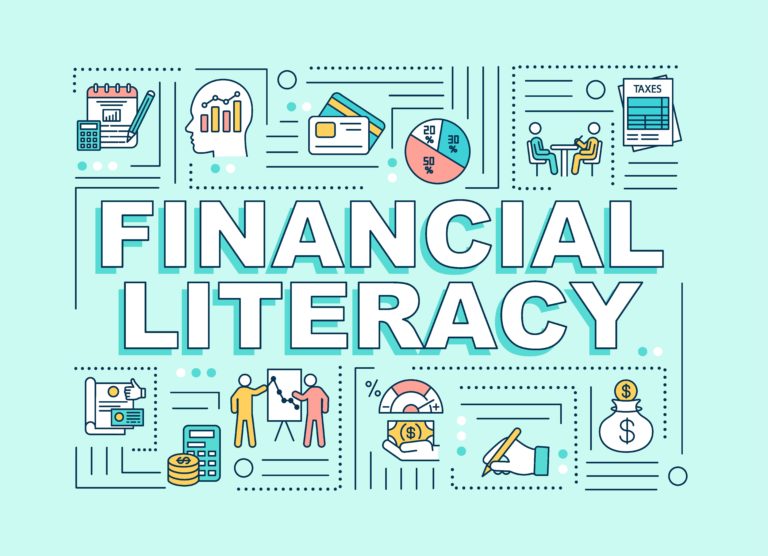
In today’s world, success is not defined only by marks and degrees. It is also shaped by how well students manage money, make decisions, handle responsibility, and prepare for real-life challenges. This is where financial literacy and life skills become essential.
Financial literacy is not about becoming rich early. It is about becoming aware, responsible, and confident with money and life choices from a young age.
Why Financial Literacy Matters for Students
Most adults learn money lessons through mistakes—poor spending, debt, or lack of planning. Teaching students financial basics early helps them:
- understand the value of money
- make thoughtful choices
- avoid financial stress in adulthood
- develop independence and confidence
Financial literacy is not just a subject; it is a life survival skill.
What Are Life Skills in Financial Education?
Life skills are abilities that help students handle real-world situations effectively. When combined with financial education, they include:
- decision-making
- planning and goal setting
- responsibility and discipline
- critical thinking
- emotional control around money
Together, these skills prepare students for life beyond classrooms.
Core Areas of Financial Literacy for Students
1. Understanding Money Basics
Students should know where money comes from, how people earn it, and why it should be used wisely. Learning the difference between needs and wants builds strong foundations for responsible spending.
2. Learning to Budget
Budgeting shows students how to manage limited resources. Planning pocket money or school expenses helps them understand balance, priorities, and consequences of overspending.
3. Digital Money & Banking Awareness
With online payments becoming common, students must understand:
- how banks work
- digital payment methods
- online safety and fraud prevention
This awareness protects them in a digital-first world.
4. Smart Spending & Consumer Awareness
Students are constantly influenced by advertisements and trends. Financial literacy helps them:
- question marketing tactics
- compare prices
- avoid impulse buying
- understand value over appearance
5. Respect for Work & Earning
Understanding how money is earned builds respect for effort and labour. Students learn that money is a result of skills, time, and dedication—not something to be wasted.
6. Introduction to Investing (Conceptual)
Students should understand that money can grow over time. Simple ideas like compounding and long-term growth introduce them to future planning without complexity.pages
A healthy mindset ensures money is a tool, not a source of stress.
Role of Schools in Financial Education
Schools are ideal places to introduce financial literacy through:
- classroom discussions
- real-life examples
- projects and activities
- assemblies and workshops
When schools integrate financial literacy, students grow into responsible and confident adults.
Role of Parents and Guardians
Parents reinforce what students learn by:
- involving children in small financial decisions
- discussing household budgeting
- encouraging saving habits
- modelling healthy money behaviour
Learning becomes stronger when school and home work together.
Conclusion
Financial literacy and life skills empower students to face the real world with clarity and confidence. When students understand money early, they don’t just grow smarter—they grow wiser. Teaching these skills in school is not an extra lesson; it is an investment in a balanced, secure, and responsible future generation.