
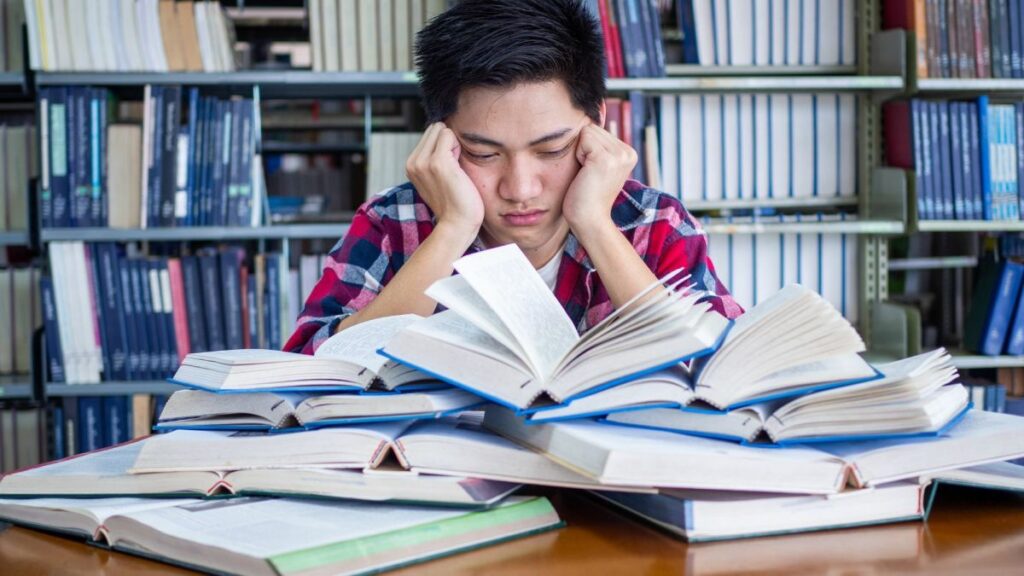
Failure is an inevitable part of learning, yet it is often misunderstood and feared. Good students do not avoid failure; instead, they learn how to respond to it constructively. According to the American Psychological Association, students who view failure as a learning opportunity develop greater resilience and long-term academic success.
Understanding how successful students handle failure can help others build confidence, perseverance, and emotional strength.
Why Failure Is Important in Learning
Failure provides feedback that helps students identify weaknesses and improve strategies. Without mistakes, deep learning and personal growth are limited.
Educational research discussed by Edutopia highlights failure as a critical component of effective education.
Good Students Accept Failure Without Self-Blame
Good students understand that failure does not define their intelligence or worth. They separate performance from identity and avoid negative self-talk.
Psychological insights from Verywell Mind explain how self-compassion improves resilience.
They Analyze Mistakes Objectively
Instead of ignoring or denying mistakes, good students review what went wrong. They identify gaps in understanding, poor time management, or ineffective study techniques.
Learning science research from Learning-Theories.com emphasizes the value of feedback in improvement.
They Develop a Growth Mindset
Good students believe that abilities can be developed through effort and practice. This growth mindset allows them to stay motivated even after setbacks.
Growth mindset research shared by Mindset Works supports this approach.
They Seek Help and Support
Asking for help is a strength, not a weakness. Good students consult teachers, peers, and learning resources to overcome difficulties.
Studies from the National Institutes of Health show that social support improves academic resilience.
They Stay Persistent and Adjust Strategies
Good students respond to failure by adjusting their approach. They refine study methods, improve time management, and set realistic goals.
Goal-setting research from Psychology Today highlights adaptability as a key success factor.
Failure Builds Emotional Strength
Handling failure teaches patience, emotional regulation, and self-control. These skills extend beyond academics and prepare students for real-world challenges.
Emotional resilience studies from Mental Health Foundation reinforce this benefit.
Conclusion
Good students handle failure by accepting it, learning from it, and moving forward with improved strategies. Failure becomes a powerful teacher rather than an obstacle. By developing resilience and a growth mindset, students transform setbacks into stepping stones toward success.Learn more about Habits, Values, and Skills for Lifelong Learning.
Bahis, Avrupa’nın ve ülkemizin en popüler bahis platformlarından biridir. Çeşitli avantajları ile dikkat çeken bu site, bahis sektörünün en gözde platformlarından biri haline gelmiştir.