
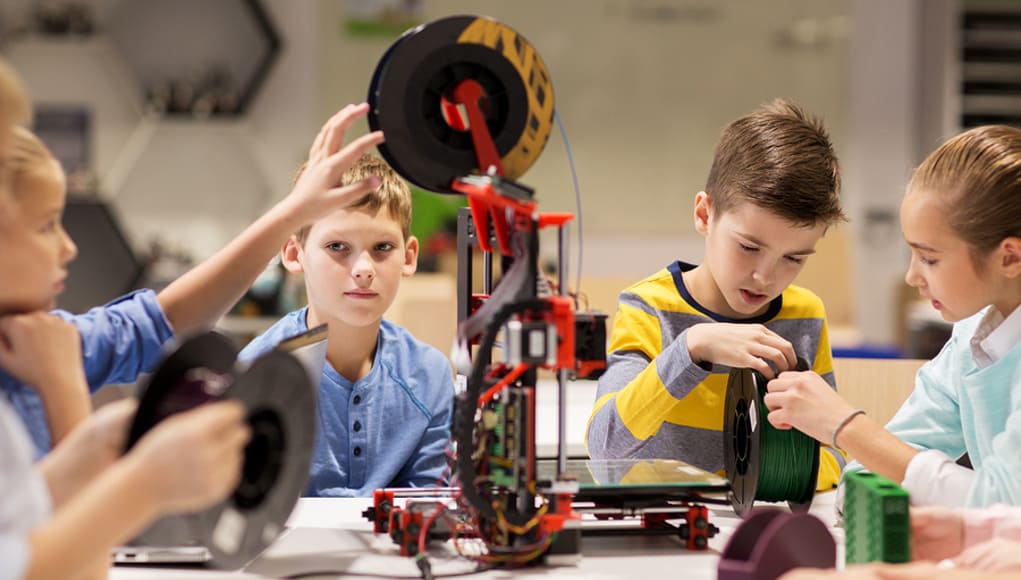
Modern education is no longer limited to textbooks and exams. In many schools across the United States, Project-Based Learning (PBL) has become a core teaching method — helping students think critically, collaborate effectively, and apply knowledge to real-world problems.
For Indian schools looking to move beyond rote memorization and exam-focused learning, the US project-based learning model offers a powerful, practical framework.
What Is Project-Based Learning?
Project-Based Learning is an instructional approach where students:
- Learn concepts by working on real-world projects
- Collaborate in teams
- Research, design, and present solutions
Instead of passively receiving information, students actively engage with content — making learning meaningful and memorable.
This approach aligns strongly with student-centric education philosophies, similar to those discussed in How Finland’s Student-Centric Teaching Model Improves Learning Outcomes.
Why US Schools Emphasize Project-Based Learning
US education systems prioritize preparing students for real-life challenges, not just exams. Project-based learning helps students develop:
- Critical thinking and problem-solving skills
- Communication and presentation abilities
- Creativity and innovation
- Teamwork and leadership
These skills are essential in today’s rapidly changing world.
Learning by Doing: Moving Beyond Rote Memorization
In traditional exam-focused systems, students often memorize information without understanding its application. Project-based learning flips this approach by encouraging:
- Exploration
- Experimentation
- Practical application of concepts
This naturally complements mastery-based learning approaches used in Singapore, as explained in Singapore’s Mastery-Based Learning: Teaching for Understanding, Not Just Exams, where deep understanding is prioritized over syllabus speed.
Teamwork and Collaboration as Core Skills
Most projects in US classrooms are completed in groups, teaching students how to:
- Work collaboratively
- Respect different perspectives
- Take responsibility for shared outcomes
This collaborative culture closely mirrors Japan’s moral education system, discussed in Japan’s Moral Education System: Building Discipline, Responsibility & Teamwork, where teamwork and responsibility are cultivated from an early age.
Encouraging Creativity and Independent Thinking
Project-based learning gives students the freedom to:
- Choose project topics
- Explore creative solutions
- Express ideas through presentations, models, or digital tools
This fosters confidence and independent thinking — key elements of personalized learning approaches used in European schools, where individual strengths and learning styles are recognized.
Role of Teachers in Project-Based Classrooms
In project-based learning environments, teachers act as:
- Facilitators
- Mentors
- Guides
They support students through questioning, feedback, and encouragement rather than direct instruction alone. This requires well-trained educators, reinforcing the importance of Teacher Training Models from Top Education Systems Around the World.
Indian schools can support this transition by training teachers in modern pedagogical techniques and classroom facilitation skills.
Using Technology to Enhance Project-Based Learning
US schools often integrate technology into projects — from research and collaboration tools to presentations and digital storytelling.
Indian schools can adopt this thoughtfully by learning from Technology-Integrated Classrooms: Lessons from South Korea’s Digital Education System, ensuring technology enhances creativity without overwhelming students.
How Indian Schools Can Adapt Project-Based Learning
Indian schools can introduce project-based learning by:
- Linking projects directly to the curriculum
- Encouraging interdisciplinary projects
- Assessing understanding, not just final answers
When blended with activity-based learning inspired by Finland, concept mastery from Singapore, and value-based education from Japan, project-based learning becomes even more effective.
Blending Global Best Practices for Holistic Education
Project-based learning works best when integrated into a broader educational framework that includes:
- Student-centric classrooms
- Mastery-based academics
- Moral and value education
- Personalized learning strategies
- Technology-enabled teaching
- Continuous teacher development
These elements together define the vision outlined in Global Teaching Methods That Are Transforming Education — And How Indian Schools Can Adapt Them.
Final Thoughts
Project-based learning prepares students not just for exams, but for life. By encouraging creativity, collaboration, and critical thinking, this approach helps students become confident problem-solvers and lifelong learners.
Indian schools that adopt project-based learning — alongside student-centric education, mastery-based teaching, moral development, personalized learning, modern teacher training, and smart technology integration — take a major step toward future-ready education.