
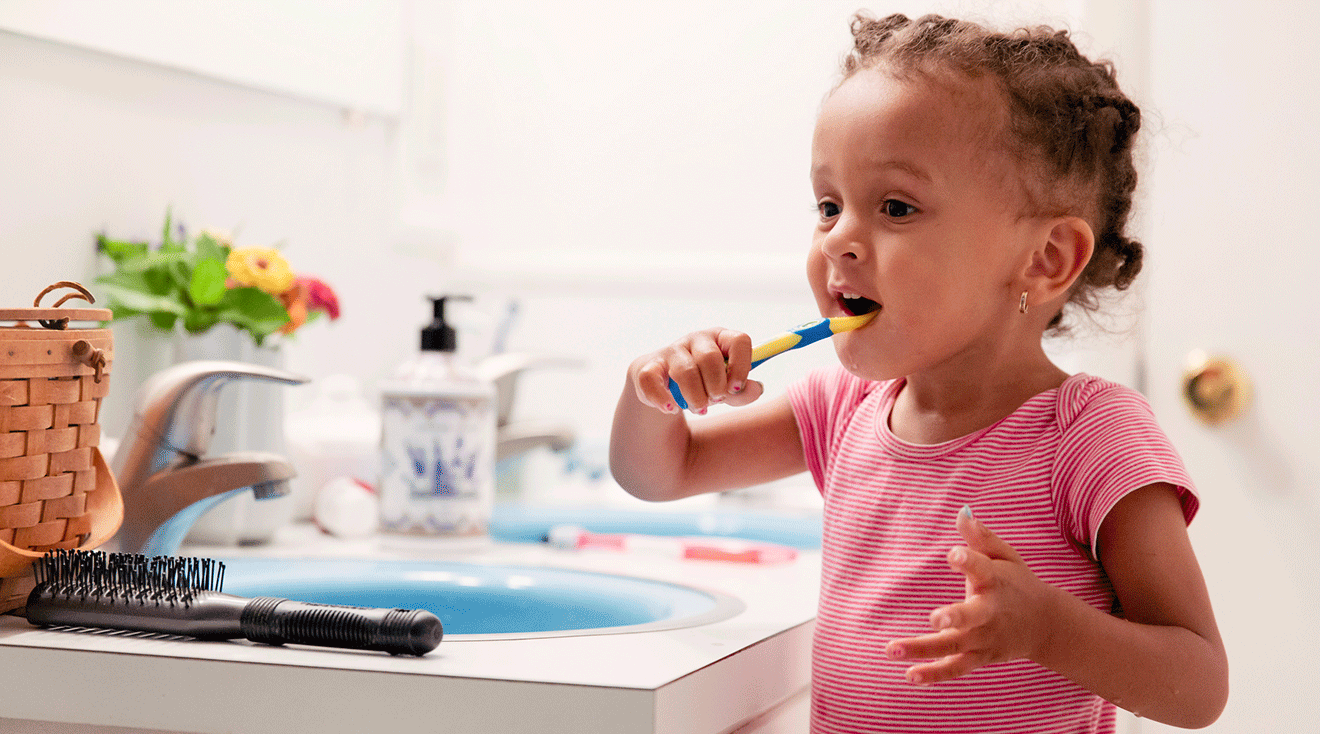
Instilling good habits early sets children up for success, health, and happiness throughout life. From ages 3-6, kids are like sponges—eager to learn routines through repetition, example, and gentle encouragement. Positive habits build self-discipline, confidence, and responsibility, complementing early brain development in kindergarten and reinforcing play-based learning at home.
This approach aligns perfectly with discipline, routine & values at home, learning at home activities, and even screen time balance for focused growth.
Why Start Habits Early?
Young children thrive on predictability and modeling:
- Brain Wiring → Repetition strengthens neural pathways for lifelong behaviors.
- Independence Boost → Mastering small tasks builds pride and reduces tantrums.
- Emotional Security → Consistent routines provide comfort, aiding emotional preparation for kindergarten.
- Long-Term Benefits → Early habits link to better health, academics, and social skills.
Experts note that habits formed before age 9 often stick into adulthood.
Essential Good Habits to Teach
Focus on these foundational areas with age-appropriate steps:
- Personal Hygiene
- Brushing teeth twice daily—make it fun with songs or flavored paste.
- Handwashing before meals and after play.
- Bathing and hair combing as part of bedtime routine.
- Healthy Eating & Sleeping
- Balanced meals with fruits/veggies—let kids help choose.
- Fixed meal times and no snacks near bedtime.
- Consistent sleep schedule (10-12 hours for preschoolers).
- Responsibility & Tidiness
- Tidying toys after play.
- Simple chores like setting the table or watering plants.
- Saying “please” and “thank you” for manners.
- Learning & Screen Habits
- Daily reading time to foster curiosity.
- Limited, mindful screen time vs study time.
- Sharing and turn-taking during play.
Effective Strategies to Build Habits
Make the process joyful and consistent:
- Lead by Example — Kids copy parents—brush together or tidy as a family.
- Use Positive Reinforcement — Praise efforts (“Great job putting toys away!”) and small rewards like stickers.
- Create Visual Charts — Habit trackers with stars motivate visually.
- Establish Routines — Morning (wake, brush, breakfast) and evening sequences provide structure.
- Be Patient & Consistent — Change takes time—gentle reminders over punishment work best.
- Involve School — Share habits with teachers for parent-teacher collaboration reinforcement, as seen in supportive environments like Dolphin Public School.
Common Challenges & Solutions
- Resistance → Make it a game or choice (“Red or blue toothbrush?”).
- Forgetfulness → Gentle cues and visuals.
- Inconsistency → Family commitment ensures success.
Final Thoughts: Small Steps, Big Rewards
Developing good habits early is one of the greatest gifts you can give your child. It nurtures independence, health, and character while easing transitions like Nursery vs LKG vs UKG stages.
Start with 2-3 habits, celebrate progress, and watch your little one grow confidently! Learn more about Parenting & Kindergarten Education.
Which habit are you focusing on first with your child? Or what’s worked best for your family? Share in the comments—we’d love your stories!