
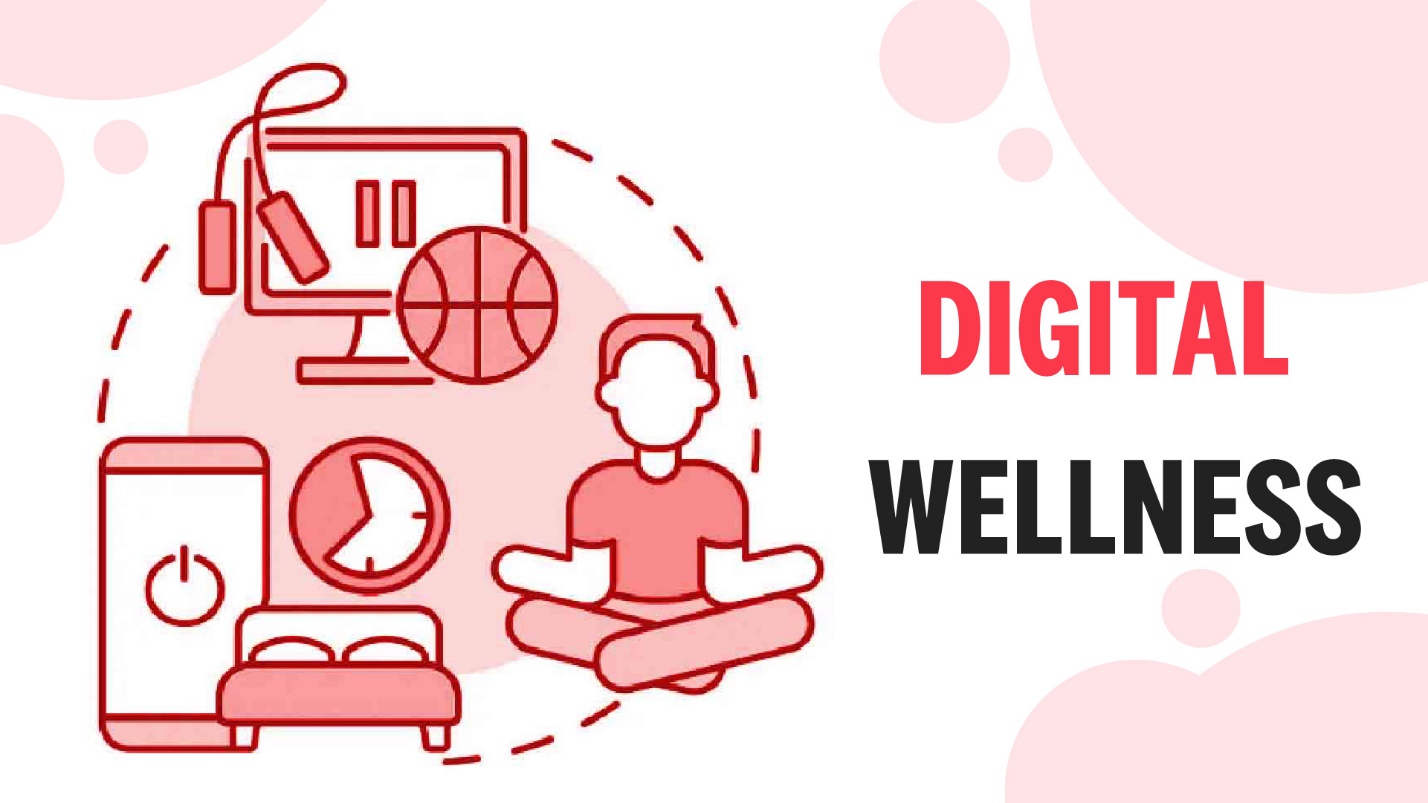
We are living in a world where screens never sleep. From smartphones and laptops to gaming consoles and OTT platforms, the digital world follows us everywhere. While technology brings convenience, learning, and entertainment, it can also cause stress, distraction, and health issues if not managed wisely. This is where digital wellness becomes essential.
To understand the global impact of screen exposure and digital habits, explore studies from the Pew Research Center and health resources from the World Health Organization.
📱 What Is Digital Wellness?
Digital wellness refers to the practice of using technology in a way that supports your mental, physical, and emotional health. It’s about building a balanced relationship with screens instead of letting them control your lifestyle or productivity.
According to research from the American Psychological Association, excessive screen time is linked with increased stress, sleep disruption, and reduced focus—especially among students and working professionals.
⚠️ Signs You Need a Digital Reset
You might need a digital detox or better screen balance if you notice:
- Constant scrolling without purpose
- Difficulty focusing on tasks
- Eye strain, headaches, or fatigue
- Reduced sleep quality or late-night browsing
- Feeling anxious without your phone
- Decreased in-person communication
- Procrastination due to notifications or apps
Learn more about screen-related mental fatigue from Harvard Health.
🧭 How to Build a Balanced Screen Life
A healthy screen routine doesn’t require deleting apps or avoiding technology. It’s about intentional usage, awareness, and boundaries that protect your well-being.
1. Use the 20-20-20 Eye Rule
Every 20 minutes, look 20 feet away for 20 seconds. This reduces eye strain and helps your vision recover.
2. Reduce Notifications
Turn off non-essential notifications. Constant pings keep your brain in alert mode, increasing stress. For guidance on managing phone distractions, check out resources from Common Sense Media.
3. Schedule Screen-Free Hours
Create fixed times—like meals or evenings—where everyone stays away from screens. This helps restore focus and strengthens family bonding.
4. Follow a Digital Curfew
Avoid screens at least one hour before bedtime. Blue light interferes with melatonin and disrupts sleep cycles. You can read more on sleep and screen effects at The Sleep Foundation.
5. Use Technology Mindfully
Mindfulness apps like Headspace and Calm offer breathing exercises, guided meditations, and screen-time awareness tools.
6. Declutter Your Digital Space
Organize files, unsubscribe from spam emails, and delete unused apps. A clean digital environment reduces mental load.
7. Practice “Single-Tasking”
Instead of juggling multiple tabs or apps, focus on one task at a time. Research from APA shows multitasking lowers productivity by nearly 40%.
👨👩👧 Digital Wellness for Kids & Teens
Children today grow up surrounded by screens, making digital literacy and healthy tech habits essential for their growth. Parents can support balanced screen life by:
- Setting device usage rules
- Monitoring content quality
- Creating screen-free family activities
- Encouraging offline hobbies
- Teaching digital safety and etiquette
For evidence-based screen guidelines for children, refer to the American Academy of Pediatrics.
🧘 Mindfulness Activities to Reduce Digital Overload
A few simple daily practices can bring balance back into your screen-heavy routine:
- Five-minute breathing exercises
- Journaling thoughts before sleep
- Outdoor walks without devices
- Stretching after every study or work session
- Gratitude journaling
- Family meditation sessions
Find beginner-friendly mindfulness resources at Mindful.org.
🏁 Final Thoughts
Technology is not the enemy—unintentional usage is. With the right boundaries, awareness, and habits, you can enjoy the benefits of the digital world without losing your focus, health, or peace of mind. Digital wellness isn’t about logging off completely—it’s about learning to stay human while staying connected.