
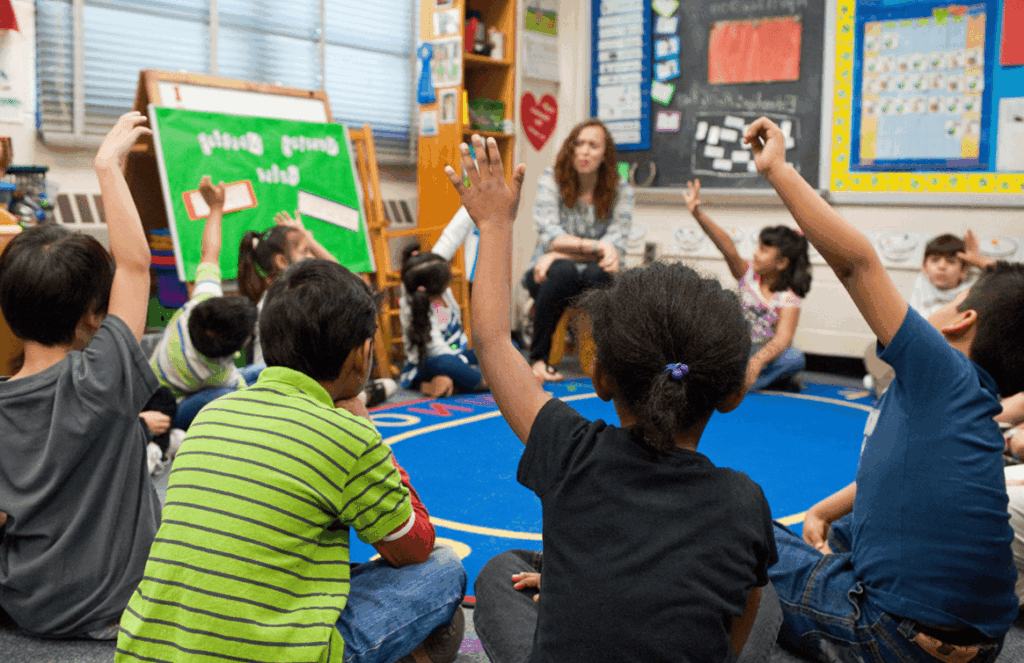
Education forms the bedrock of personal development and societal progress. In an era of rapid change—driven by technology, globalization, and evolving workforce demands—a good school goes far beyond delivering basic instruction. It creates nurturing spaces where students feel secure, inspired, and empowered to reach their full potential. Good schools blend academic rigor with emotional support, fostering not only knowledge but also character, creativity, and critical thinking skills essential for lifelong success.
This comprehensive pillar page examines the defining features of exceptional schools. We’ll explore everything from culture and infrastructure to teacher excellence and community partnerships. Rich with practical insights and visual inspiration, it serves parents selecting institutions, educators refining practices, and leaders shaping policies. Dive deeper into specific aspects via our linked cluster topics.
Characteristics of a Good School
Exceptional schools share distinct traits that set them apart. They maintain clear visions and missions focused on holistic student development. High expectations permeate the culture, challenging learners while providing necessary scaffolding. Data-informed decisions guide improvements, from curriculum tweaks to resource allocation.
Inclusivity stands central—accommodating diverse backgrounds, abilities, and learning styles through differentiated instruction and support services. Strong leadership ensures alignment, while collaborative staff cultures promote innovation. Positive climates encourage risk-taking without fear of failure, boosting engagement and retention. Ultimately, these characteristics create vibrant communities where students thrive academically, socially, and emotionally. For more on building inclusive environments, see resources from Edutopia.
Importance of School Culture and Values
School culture shapes daily experiences and long-term outcomes. A positive culture builds belonging, reducing absenteeism and behavioral issues while enhancing motivation. Core values—respect, responsibility, integrity, and empathy—infuse interactions, modeled by adults and reinforced through programs.
Values education develops ethical decision-makers, preparing students for civic roles. Strong cultures correlate with higher achievement, as students feel supported to excel. Initiatives like character education assemblies or peer mentoring solidify these foundations, creating ripple effects into families and communities. UNESCO offers valuable perspectives on fostering happy and supportive school cultures.
Role of Infrastructure in Quality Education
Physical spaces profoundly influence learning. Modern infrastructure—well-equipped science labs, expansive libraries, sports fields, and playgrounds—enables hands-on exploration and physical activity. Bright, ventilated classrooms with flexible seating promote collaboration and focus.
Accessible technology hubs and green areas support sustainability education. Adequate facilities accommodate growing needs, signaling investment in education. Poor infrastructure hinders progress; quality ones elevate it, fostering pride and engagement. Detailed ideas on modern school design can be found on Spaces4Learning.
How Good Schools Support Student Growth
Top institutions personalize support, identifying strengths and areas for improvement via assessments and counseling. Enrichment programs challenge gifted learners; interventions aid those struggling. Social-emotional learning curricula build resilience and relationships.
Mentorship pairs guide progress, while goal-setting fosters agency. Holistic approaches address academic, emotional, and physical needs, cultivating confident, capable individuals ready for future challenges. Greater Good Magazine from Berkeley provides excellent research on social-emotional learning in schools.
Safety and Discipline in Schools
Safety forms the prerequisite for learning. Good schools implement comprehensive policies—emergency protocols, anti-bullying programs, and mental health resources—creating secure environments. Discipline emphasizes restorative practices over punishment, teaching accountability and conflict resolution.
Clear expectations and fair enforcement build trust. Proactive measures like counseling and parent communication prevent issues, ensuring students focus on growth rather than fear. Official guidelines and best practices are available through SchoolSafety.gov.
Teacher Quality in Good Schools
Exceptional teachers drive excellence. Recruited for expertise and passion, they receive ongoing professional development. Supportive environments encourage innovation, collaboration, and work-life balance for retention.
Effective educators differentiate instruction, build relationships, and inspire curiosity. Strong leadership nurtures this talent, ensuring consistent, impactful teaching. The ASCD organization shares extensive resources on teacher development and leadership.
Parent Involvement in School Success
Engaged parents amplify outcomes. Schools facilitate this through regular communication, conferences, volunteering opportunities, and workshops. Partnerships reinforce learning at home and provide valuable insights.
Involved families correlate with better attendance, behavior, and achievement. Inclusive approaches welcome diverse parents, building stronger support networks. Practical tips and research can be explored on the National PTA website.
Extracurricular Activities in Good Schools
Beyond academics, diverse offerings—sports, arts, music, clubs, debate—develop well-rounded skills. They teach teamwork, leadership, time management, and perseverance.
Participation boosts confidence, reduces stress, and uncovers talents. Inclusive programs ensure accessibility, enriching school life and resumes. Education Week frequently covers the benefits of extracurricular participation.
Technology and Innovation in Schools
Strategic integration enhances learning—tablets for interactive lessons, coding classes for digital literacy, virtual reality for immersion. Tools personalize education, track progress, and prepare for tech-driven futures.
Innovative schools train teachers effectively, balancing screen time with traditional methods. This fosters creativity and problem-solving in engaging ways. Standards and ideas for edtech are promoted by ISTE.
How to Choose the Right School for Your Child
Selection demands research: Review academic outcomes, visit campuses, observe classes, and speak with stakeholders. Consider alignment with your child’s needs—learning style, interests, values.
Evaluate culture, safety records, extracurriculars, and support services. Prioritize fit over prestige for long-term happiness and success. Parent reviews and school ratings are helpful on GreatSchools.org.
In conclusion, good schools are dynamic ecosystems harmonizing safety, support, and innovation to nurture thriving students. By embracing strong cultures, quality teaching, infrastructure, and involvement, they equip young people for bright futures. Champion these elements in your community— the impact endures generations.