
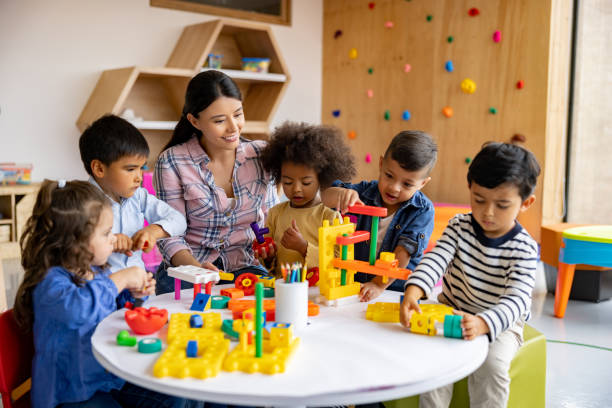
The early years of a child’s life are truly magical and transformative. From birth to around age six, children’s brains develop rapidly, creating billions of connections that form the basis for all future learning, behavior, and health. This period is often called the “critical window” because the experiences children have now profoundly influence their cognitive abilities, emotional well-being, social skills, and even physical development.
Experts from leading institutions, such as Harvard’s Center on the Developing Child, highlight that nurturing environments—both at home and in early education settings—can significantly enhance a child’s potential. Quality kindergarten education combined with involved parenting helps children build essential skills like problem-solving, empathy, self-control, and curiosity. Children who benefit from this strong start tend to excel academically, form healthier relationships, and face fewer behavioral challenges later in life, according to research shared by OECD and UNICEF.
Parenting during these years isn’t about perfection; it’s about consistency, love, and partnership with educators. Home and school work hand in hand to create a seamless support system for the child.
In this pillar guide, we’ll dive deep into key topics through dedicated supporting articles, each exploring practical strategies, expert insights, and real-life tips to help you nurture your child’s growth.
Why Kindergarten Education is Important for Early Brain Development
Kindergarten isn’t just a place for children to play—it’s a powerful catalyst for brain growth. During these years, structured activities, social interactions, and guided exploration strengthen neural pathways related to language, memory, and executive function. Studies show that children in quality early education programs develop better attention spans, vocabulary, and emotional regulation, setting them up for smoother transitions to primary school and beyond, as highlighted by Harvard research on brain architecture and global findings from the World Bank.
How Parents Can Support Learning at Home for Small Children
Your home is your child’s most important learning environment. Simple daily rituals—like storytelling, singing rhymes, or exploring household objects—can spark curiosity and reinforce concepts learned at school. Engaging in meaningful conversations, limiting distractions during playtime, and celebrating small achievements build a strong foundation for literacy, numeracy, and confidence, supported by guidance from NAEYC and practical insights shared by Edutopia.
Nursery vs LKG vs UKG – Understanding the Difference
In systems like India’s CBSE-affiliated schools, early education is divided into stages tailored to developmental needs. Nursery focuses on sensory play and basic socialization for ages 3-4. LKG introduces structured fun with alphabets, numbers, and shapes for ages 4-5. UKG prepares children for formal schooling with pre-reading, writing basics, and logical thinking for ages 5-6. Knowing these distinctions helps parents select the right stage and support progression effectively, aligned with early learning frameworks discussed by UNICEF and international standards referenced by the OECD.
Preparing Your Child Emotionally for Kindergarten School
The shift to kindergarten can bring a mix of excitement and apprehension. Emotional readiness involves fostering independence through small tasks, discussing school positively, reading books about starting school, and establishing comforting routines. Helping children name their feelings and assuring them of your support eases separation anxiety and builds resilience, a focus emphasized by the American Psychological Association and child well-being resources from WHO.
Role of Play-Based Learning in Early Education
Play is the cornerstone of effective early learning. Whether building with blocks, engaging in pretend play, or outdoor games, these activities naturally develop creativity, critical thinking, cooperation, and motor skills. Research supports play-based approaches over rigid drills, as they lead to deeper engagement and long-term retention of knowledge, as documented by Harvard’s research on play and classroom evidence shared by Edutopia.
Screen Time vs Study Time: A Healthy Balance for Kids
Digital devices are part of modern life, but moderation is crucial for young children. Guidelines suggest no screens for under 2s (except video calls) and limited high-quality content for older preschoolers. Balancing screens with active play, reading, and social interactions supports better sleep, attention, and physical health while preventing potential developmental delays, in line with recommendations from WHO and child development insights from APA.
How Teachers & Parents Can Work Together for Child Growth
Effective collaboration between parents and teachers creates a powerful alliance. Regular updates, parent-teacher meetings, and shared goal-setting ensure consistency in guidance. This partnership allows for early identification of strengths or needs, fostering holistic development in academics, behavior, and emotions, as encouraged by NAEYC and global education perspectives from the World Economic Forum.
Developing Good Habits in Children from an Early Age
Instilling habits like regular mealtimes, bedtime routines, and personal hygiene early on promotes independence and well-being. Use positive reinforcement, lead by example, and make routines enjoyable to encourage lifelong practices in health, responsibility, and organization, supported by behavioral research from the APA and child health guidance from WHO.
Importance of Discipline, Routine & Values at Home
A structured home with clear, age-appropriate boundaries provides children with security and teaches self-discipline. Positive discipline techniques emphasize teaching over punishment, while daily routines and family discussions instill core values like honesty, kindness, and perseverance, aligning with principles outlined by UNICEF and developmental psychology research from the Harvard Center on the Developing Child.
How Dolphin Public School Supports Parents in Child Development
Institutions like Dolphin Public School exemplify excellence by integrating modern facilities, experienced educators, and strong parent engagement programs. Through workshops, regular feedback, and child-centered activities, they partner with families to nurture well-rounded development in a safe, stimulating environment, reflecting best practices promoted by OECD and family-school partnership models highlighted by NAEYC.
Conclusion: Nurturing Bright Futures Together
The journey of parenting and early education is one of the most rewarding investments you’ll ever make. By embracing brain-boosting kindergarten experiences, supportive home learning, playful exploration, balanced habits, and strong partnerships between families and educators, we lay unbreakable foundations for our children. These early years shape not just academic skills, but resilient, empathetic, and joyful individuals ready to embrace the world.
Building these foundations requires patience and collaboration, but the rewards—a confident, capable, and joyful child—are immeasurable. Every small step you take today shapes a brighter tomorrow.