
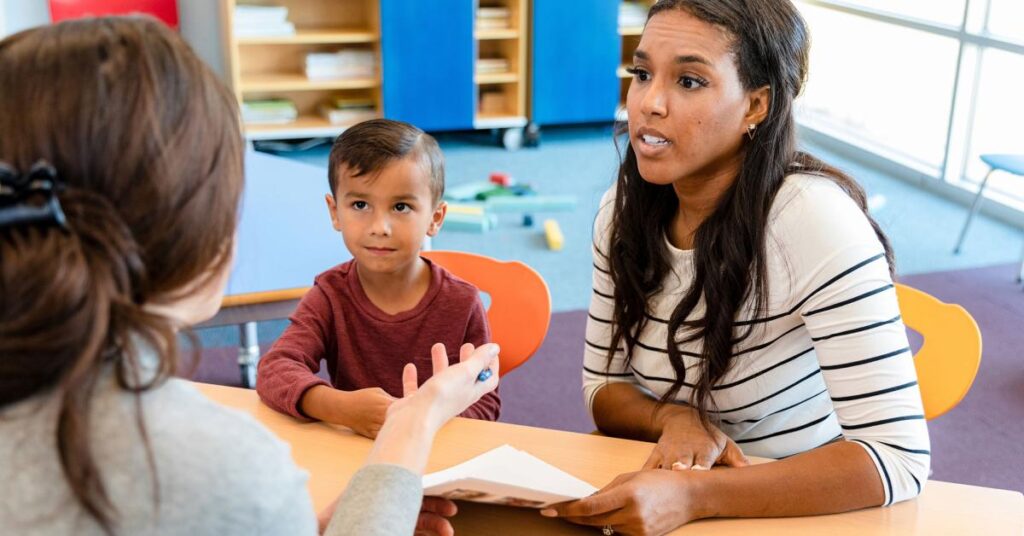
Starting kindergarten marks a major milestone—for both children and parents. It’s often the first time a child spends extended hours away from home, navigating new routines, making friends, and following instructions from adults other than family. While excitement bubbles up, it’s completely normal for little ones to feel anxious, scared, or overwhelmed. Separation anxiety, fear of the unknown, and worries about fitting in are common, as noted by UNICEF.
The good news? With thoughtful preparation, you can help your child build emotional resilience, confidence, and a positive outlook toward school. Emotional readiness is just as important as knowing ABCs or colors—it sets the foundation for a smooth transition and long-term love for learning, according to guidance from the American Psychological Association.
1. Talk Openly About School in a Positive Way
Start conversations early—weeks or months before school begins. Use simple, enthusiastic language: “At school, you’ll play with new friends, paint pictures, and hear fun stories!”
- Avoid overwhelming details; focus on exciting parts like playgrounds or art time.
- Address fears directly if they arise: “It’s okay to feel a bit nervous—many kids do. Your teacher will help you feel safe.”
- Share your own positive school memories to normalize the experience.
Regular, casual chats reduce mystery and build anticipation, as supported by early childhood research from Harvard Center on the Developing Child.
2. Read Books About Starting School
Children’s books are magical tools for processing emotions. They show characters facing similar feelings and overcoming them.
- Popular titles include:
- The Kissing Hand by Audrey Penn (about separation and love).
- Llama Llama Misses Mama by Anna Dewdney (handling first-day jitters).
- David Goes to School by David Shannon (funny take on rules).
Read together nightly, pausing to discuss: “How do you think the character feels? What would you do?” This validates emotions and sparks empathy, reflecting strategies endorsed by NAEYC.
3. Establish Predictable Routines at Home
Kindergarten thrives on structure. Mirror school schedules weeks in advance:
- Adjust bedtime and wake-up times.
- Practice morning routines: dressing, breakfast, packing a bag.
- Include quiet time or circle-time-like activities at home.
Routines provide security, reducing anxiety from unpredictability, supported by WHO guidance on child mental health.
4. Practice Short Separations and Role-Play
Build tolerance for being apart gradually:
- Leave your child with trusted relatives or at playdates.
- Role-play school scenarios: Pretend you’re the teacher, use toys as classmates, or act out drop-off and pickup.
Make it fun—switch roles so your child “drops you off.” This familiarizes them with goodbyes and reunions, a technique supported by UNICEF parenting resources.
5. Visit the School Together
If possible, attend orientation or tour the classroom beforehand:
- Walk through the entrance, see the playground, and meet the teacher.
- Point out bathrooms, cubbies, and play areas.
Familiarity transforms the “unknown” into something known and safe, aligning with early education strategies from OECD.
6. Teach Emotional Language and Coping Skills
Help your child name feelings: “Are you feeling excited or worried?”
- Deep breathing (“balloon breaths”: inhale to fill belly, exhale slowly).
- A comfort object like a family photo in their bag or a “kissing hand” trace.
- Positive affirmations: “I am brave and can try new things.”
Encourage independence in small tasks like zipping coats or opening snacks.
7. Plan a Calm, Positive Drop-Off Routine
- Keep goodbyes short and upbeat—lingering can heighten anxiety.
- Use a special ritual: a hug, high-five, or phrase like “See you soon, I love you!”
- Trust the teachers; they’ve seen this before and know how to comfort.
If tears happen, remember: most children settle quickly once engaged.
Final Thoughts
Every child adjusts at their own pace—some bounce in eagerly, others need more time. Your calm reassurance and preparation make all the difference. Celebrate small victories, listen without judgment, and remember: a few tears don’t mean failure; they mean your child feels deeply connected to you.
By focusing on emotional preparation, you’re not just easing the kindergarten transition—you’re teaching lifelong skills for handling change with confidence, as highlighted by Harvard Center on the Developing Child. Learn more about Parenting & Kindergarten Education.
How did you or your child feel on the first day of school? What strategies worked best? Share in the comments—we’re all in this together!