
In 2026 and beyond, students will not succeed by memorizing information alone. They will succeed by applying knowledge to real-world challenges.
This is where Project-Based Learning (PBL) becomes powerful.
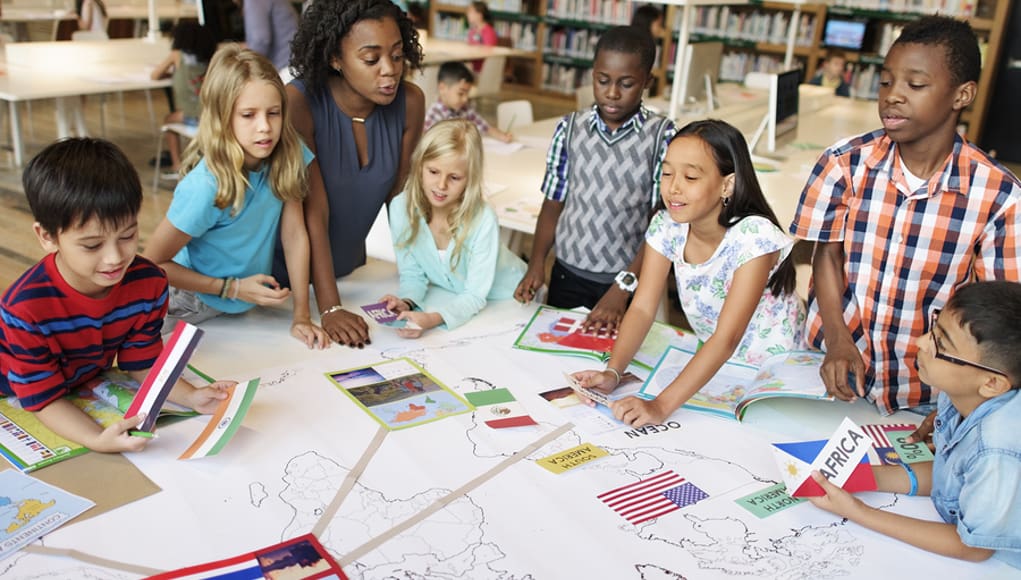
Instead of passively absorbing content, students actively explore, research, design, and present solutions. Learning becomes experiential, collaborative, and deeply engaging.
Project-Based Learning transforms classrooms from lecture spaces into innovation hubs.
1️⃣ Turning Knowledge Into Application
Traditional instruction often separates theory from practice. Project-Based Learning bridges that gap.
When students work on meaningful projects, they:
- Apply academic concepts to real-life problems
- Connect ideas across subjects
- Develop research and analysis skills
- Build ownership of their learning
This directly strengthens Critical Thinking & Problem-Solving Skills, because students must evaluate information, analyze scenarios, and justify their decisions.
Learning becomes dynamic rather than static.
2️⃣ Building Creative Confidence Through Ownership
When students design, build, or present something of their own, they experience accomplishment.
Through well-structured projects, schools naturally support Building Creative Confidence in Students by:
- Encouraging experimentation
- Valuing originality
- Allowing multiple solutions
- Celebrating process over perfection
Creative confidence grows when students see their ideas turn into tangible outcomes.
3️⃣ Strengthening Communication & Collaboration
Project-Based Learning is rarely done alone.
Students collaborate in teams, discuss ideas, and present findings. This nurtures:
- Active listening
- Respectful disagreement
- Clear articulation of ideas
- Public speaking confidence
By integrating opportunities for presentation and reflection, schools contribute to Building Communication Skills from an Early Age.
In modern careers, communication often determines success as much as technical skill.
4️⃣ Encouraging Digital & AI Literacy
Today’s projects can integrate digital tools to enhance learning.
Students may:
- Create multimedia presentations
- Analyze data using digital platforms
- Design prototypes using technology
- Use AI tools for research assistance
By embedding Digital & AI Literacy in Education, schools ensure students learn how to use technology responsibly and creatively.
Instead of passive screen time, students engage in purposeful digital creation.
5️⃣ Developing Emotional Intelligence & Resilience
Projects don’t always go smoothly. Teams face challenges. Ideas may fail. Deadlines create pressure.
These experiences help students develop Emotional Intelligence in Students, including:
- Conflict resolution
- Time management
- Stress handling
- Empathy in teamwork
Resilience becomes a natural byproduct of working through real challenges.
6️⃣ Supporting a Growth-Oriented Learning Culture
Project-Based Learning aligns strongly with promoting a Growth Mindset Culture.
Students learn that:
- Improvement comes from iteration
- Feedback enhances quality
- Mistakes are part of the process
- Persistence leads to mastery
When progress is valued over perfection, students become lifelong learners.