
Academic excellence alone does not guarantee success.
In 2026 and beyond, students will need more than subject knowledge. They will need the ability to understand emotions, manage stress, collaborate effectively, and navigate complex social environments.
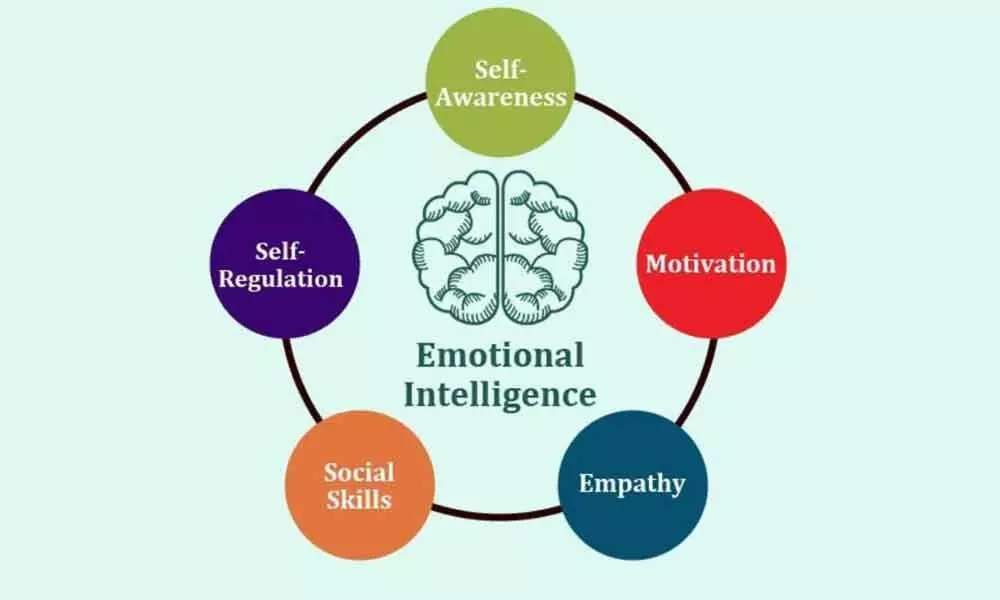
This is where Emotional Intelligence (EQ) becomes critical.
Emotional intelligence empowers students to handle pressure, communicate effectively, and adapt to challenges — all of which are essential in a rapidly evolving world.
1️⃣ Understanding Self-Awareness & Self-Regulation
Emotional intelligence begins with self-awareness.
Students who understand their emotions can:
- Recognize stress triggers
- Manage frustration
- Reflect on mistakes
- Improve focus
Schools that nurture self-regulation naturally reinforce a Growth Mindset Culture, where students learn to view setbacks as opportunities for improvement rather than signs of failure.
When students regulate emotions effectively, learning becomes more productive.
2️⃣ Strengthening Collaboration & Teamwork
Modern education increasingly emphasizes collaboration.
Through Project-Based Learning in Modern Classrooms, students must work in teams, resolve disagreements, and combine ideas effectively.
Emotional intelligence helps students:
- Listen actively
- Respect differing opinions
- Handle conflict constructively
- Share responsibility
Collaboration without emotional awareness leads to friction. Emotional intelligence makes teamwork meaningful.
3️⃣ Enhancing Communication & Empathy
Effective communication is not just about speaking clearly — it is about understanding others.
By focusing on Building Communication Skills from an Early Age, schools help students:
- Express ideas confidently
- Respond thoughtfully
- Show empathy
- Build meaningful relationships
Empathy strengthens leadership, making emotionally intelligent students more capable of guiding teams and influencing positively.
4️⃣ Supporting Creative Confidence
Creative expression requires vulnerability.
Students must feel emotionally secure to:
- Share original ideas
- Present in front of peers
- Accept feedback
- Take creative risks
By integrating emotional awareness into classrooms, schools strengthen Building Creative Confidence in Students.
Confidence grows when students feel supported, not judged.
5️⃣ Strengthening Critical Thinking Through Emotional Balance
Emotions influence decision-making.
When students learn to manage emotional responses, they enhance their ability to analyze situations objectively.
This supports the development of Critical Thinking & Problem-Solving Skills, allowing students to make thoughtful, balanced decisions rather than reactive ones.
Emotional regulation strengthens reasoning.
6️⃣ Navigating the Digital & AI-Driven World Responsibly
In today’s connected environment, students interact in digital spaces constantly.
Developing Digital & AI Literacy in Education must include emotional awareness, such as:
- Responsible online behavior
- Cyber empathy
- Respectful communication
- Managing screen-related stress
Technology without emotional intelligence can lead to misuse. Together, they create responsible digital citizens.