
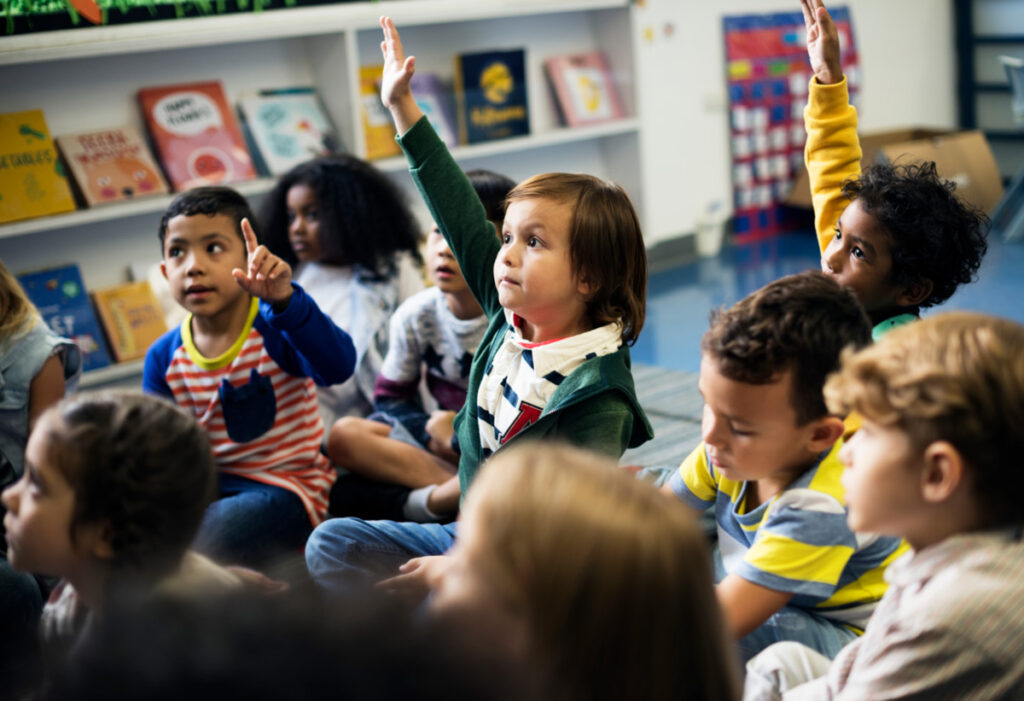
The years from birth through age six represent a remarkable phase of rapid neurological growth. A young child’s brain undergoes explosive development, creating vast networks of connections that form the bedrock for future thinking, emotions, behavior, and overall well-being.
When children step into kindergarten education—usually between ages 4 and 6—their brain has already grown to roughly 90% of its mature size, highlighting why thoughtful, enriching experiences at this stage can have lasting effects.
Kindergarten offers a specially crafted setting that combines guided activities, social engagement, and joyful exploration to nourish these emerging neural networks in ways that everyday home life often cannot match alone. This intentional stimulation helps shape stronger, more adaptable minds ready for ongoing challenges.
Here are the key reasons why kindergarten plays such a vital role:
- Peak Brain Plasticity
During early childhood, the brain shows remarkable flexibility, allowing new experiences to mold its structure more profoundly than in later years. - Rich Stimulation & Interaction
Regular group activities, storytelling, music, and hands-on play deliver steady, high-quality input that accelerates both cognitive and emotional progress. - Social & Emotional Foundations
Daily interactions with classmates and supportive teachers help children practice sharing, empathy, and managing feelings—strengthening essential brain regions for self-control and relationships.
The Science Behind Early Brain Growth
From the moment of birth, a child’s brain comes equipped with basic sensory systems, but the higher-order regions responsible for reasoning, memory, language, and emotional balance grow dramatically through repeated experiences and caring exchanges.
These formative years feature “sensitive periods” when specific abilities flourish most readily with the right support. Inadequate positive input can limit potential pathways, whereas vibrant, responsive environments encourage them to thrive fully.
Kindergarten programs are thoughtfully structured to capitalize on this prime developmental timing.
Key scientific principles include:
- Synaptic Pruning & Strengthening — Connections activated often become robust, while those rarely used fade away naturally.
- Sensitive Periods — Abilities like language acquisition and emotional control advance most swiftly during targeted early windows.
- Serve and Return — Warm, reciprocal exchanges—when a child reaches out and an adult responds attentively—build essential wiring for healthy growth.
How Kindergarten Supercharges Brain Development
Kindergarten environments strike an ideal balance between freedom to explore and gentle adult guidance. Children participate in purposeful daily experiences that engage multiple aspects of development at once.
This harmonious method fosters deeper, more flexible thinking and prepares young minds for future academic and life demands. The advantages reach well beyond school subjects, influencing how children process feelings, solve problems, and build connections.
Here’s how kindergarten supports early brain development in powerful ways:
- Language & Literacy Explosion
Frequent storytelling, rhymes, discussions, and early sound play dramatically expand vocabulary and lay groundwork for reading success—often providing far more language exposure than typical home routines. - Social & Emotional Wiring
Collaborative play and group activities teach perspective-taking, patience, and emotion management, fortifying brain areas crucial for self-regulation and empathy. - Executive Function Boost
Tasks that involve waiting, planning steps, or following directions sharpen focus, impulse control, and working memory—the brain’s core management systems. - Problem-Solving & Creativity
Open-ended exploration with materials and imaginative scenarios encourages innovative thinking and spatial awareness, key building blocks for logical and scientific understanding.
Long-Term Benefits Backed by Research
Youngsters in strong kindergarten programs often demonstrate clear advantages that extend through elementary years and beyond. These gains appear in school performance, emotional strength, and social competence.
Ongoing studies reinforce that thoughtful early education creates enduring positive effects. Investing in this phase yields returns in resilience, achievement, and overall life satisfaction.
Children who participate in quality kindergarten programs show:
- Stronger performance in foundational reading and math skills during primary years
- Improved ability to manage emotions and behaviors effectively
- Lower chances of requiring additional learning support later
- Enhanced relationships and cooperation with peers over time
These early gains frequently continue into higher education, career paths, and personal health.
The Home-School Partnership Multiplier
Kindergarten’s structured opportunities shine brightest when families reinforce them through everyday moments like shared reading, meaningful talk, and creative play. This united approach maximizes growth and creates the richest possible foundation for lifelong learning.
When parents actively support learning at home and maintain open communication with teachers, the benefits of kindergarten education are multiplied many times over.
Final Thoughts
Kindergarten represents a golden window to influence brain architecture at its most receptive stage. Through engaging social moments, play-based learning, supportive guidance, and joyful discovery, it establishes resilient cognitive, emotional, and relational foundations that endure.
Providing access to meaningful kindergarten experiences stands as one of the most impactful ways to help children flourish and approach the future with confidence.
What early experiences sparked the most growth in your child’s development? We’d love to hear your thoughts in the comments! Learn more about Parenting & Kindergarten Education.