
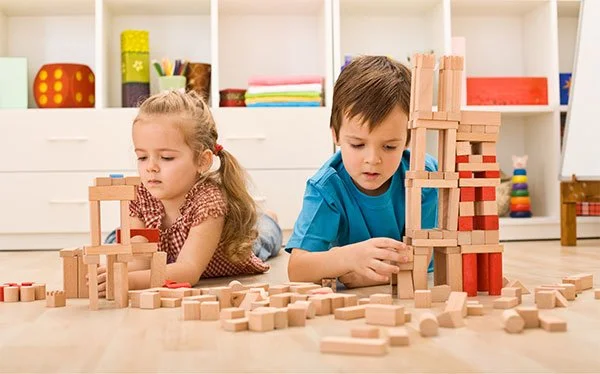
Play is the natural language of childhood. For children aged 3–6, play-based learning serves as the most effective and enjoyable way to explore, understand, and master the world around them. Far from being just “fun time,” carefully designed play activities in preschool and kindergarten build essential brain connections, develop key skills, and foster a genuine love for discovery and learning.
Modern early education experts and research consistently show that play-centered approaches outperform traditional drill-style teaching in creating deep, lasting knowledge and well-rounded development. This joyful method beautifully supports early brain development and works hand-in-hand with parent-supported learning at home.
Here are the core reasons play-based learning is so powerful in early years:
- Natural Way Children Learn
Young brains are wired to learn through active, hands-on experiences rather than passive instruction. - Intrinsic Motivation
When learning feels like play, children stay engaged longer, try harder, and remember more. - Holistic Skill Development
Play naturally integrates cognitive, social, emotional, physical, and creative growth all at once.
Types of Play and Their Unique Benefits
Different forms of play target specific areas of development while often overlapping in wonderful ways:
- Sensory & Exploratory Play
Activities like sand, water, playdough, or texture exploration build neural connections for science concepts and fine motor coordination. - Constructive Play
Building with blocks, Lego, or loose parts strengthens spatial reasoning, math foundations, and planning skills. - Pretend / Dramatic Play
Role-playing as doctors, shopkeepers, or families boosts language, empathy, creativity, and emotional understanding. - Physical & Outdoor Play
Running, climbing, balancing, and nature exploration improve gross motor skills, health, and risk assessment. - Cooperative / Group Play
Games requiring teamwork teach negotiation, sharing, listening, and building friendships.
The Teacher’s Important Role
Great early educators don’t just supervise play—they skillfully enhance it:
- Observing children’s interests and gently extending activities
- Asking thoughtful, open-ended questions to deepen thinking
- Providing just-right materials and challenges
- Stepping back to let children lead while offering support when needed
This guided play approach maximizes learning while preserving children’s natural joy and ownership.
Evidence and Long-Term Impact
Longitudinal research on play-rich programs (Montessori, Reggio Emilia, HighScope) consistently shows:
- Better problem-solving and creativity in later years
- Stronger self-regulation and social skills
- Higher academic motivation and achievement
- Reduced stress and behavioral concerns
Play-based early education creates confident, curious, resilient learners ready for school and life.
Bringing Play-Based Learning Home
Parents can easily extend these benefits with simple, everyday opportunities:
- Provide open-ended toys (blocks, art supplies, dress-up clothes)
- Allow unstructured playtime without constant direction
- Join in play following the child’s lead
- Turn chores or errands into playful adventures
Final Thoughts
Play-based learning isn’t an extra—it’s the foundation of meaningful early education. By honoring how young children are naturally wired to learn, we nurture creative thinkers, empathetic friends, and enthusiastic lifelong learners.
Every block tower, pretend adventure, and muddy puddle splash is building tomorrow’s capable, joyful human being.
What kind of play does your child love most? How has it helped their growth? We’d love to hear your experiences in the comments! Learn more about Parenting & Kindergarten Education.